Identity
Environmental and Agricultural Engineering
Tidalember combines agricultural infrastructure planning with environmental science and engineering discipline for projects that must be productive and responsible.
Learn more Tidalember
Tidalember
Tidalember
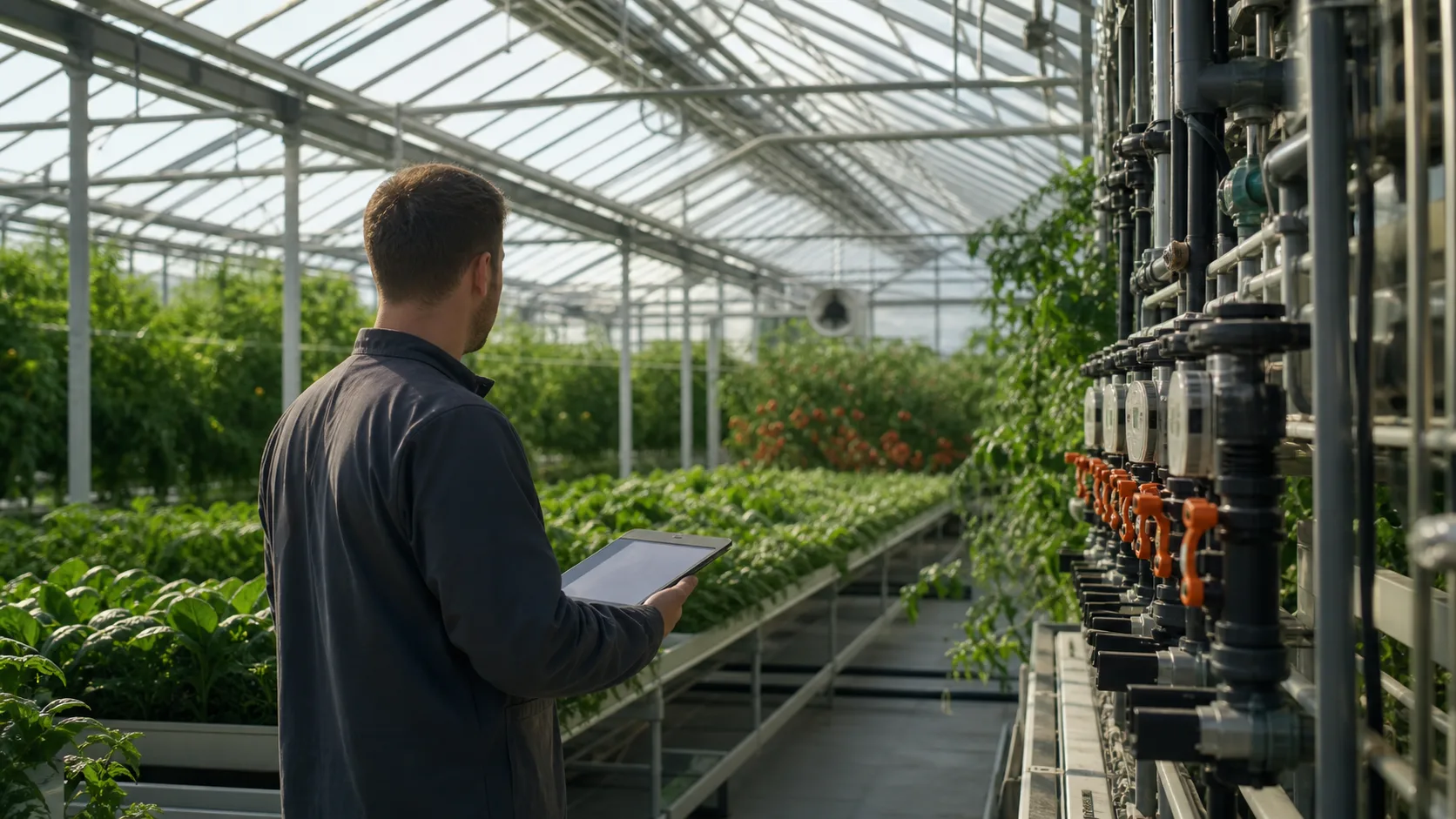
Tidalember advances sustainable agriculture through engineering, renewable systems, and practical environmental protection.
Every system designed as one connected solution.
Clean energy integrated from the start.
Water, power, and inputs used responsibly.
Stewardship built into every project.
Tidalember was built around a clear mission: create agricultural infrastructure that is productive, efficient, and environmentally responsible. The company focuses on solar greenhouse systems, resource-conscious growing environments, and development planning that respects land, water, and biodiversity.
We work with growers, project developers, institutions, and communities that need dependable engineering thinking for food production, clean energy, and environmental resilience.
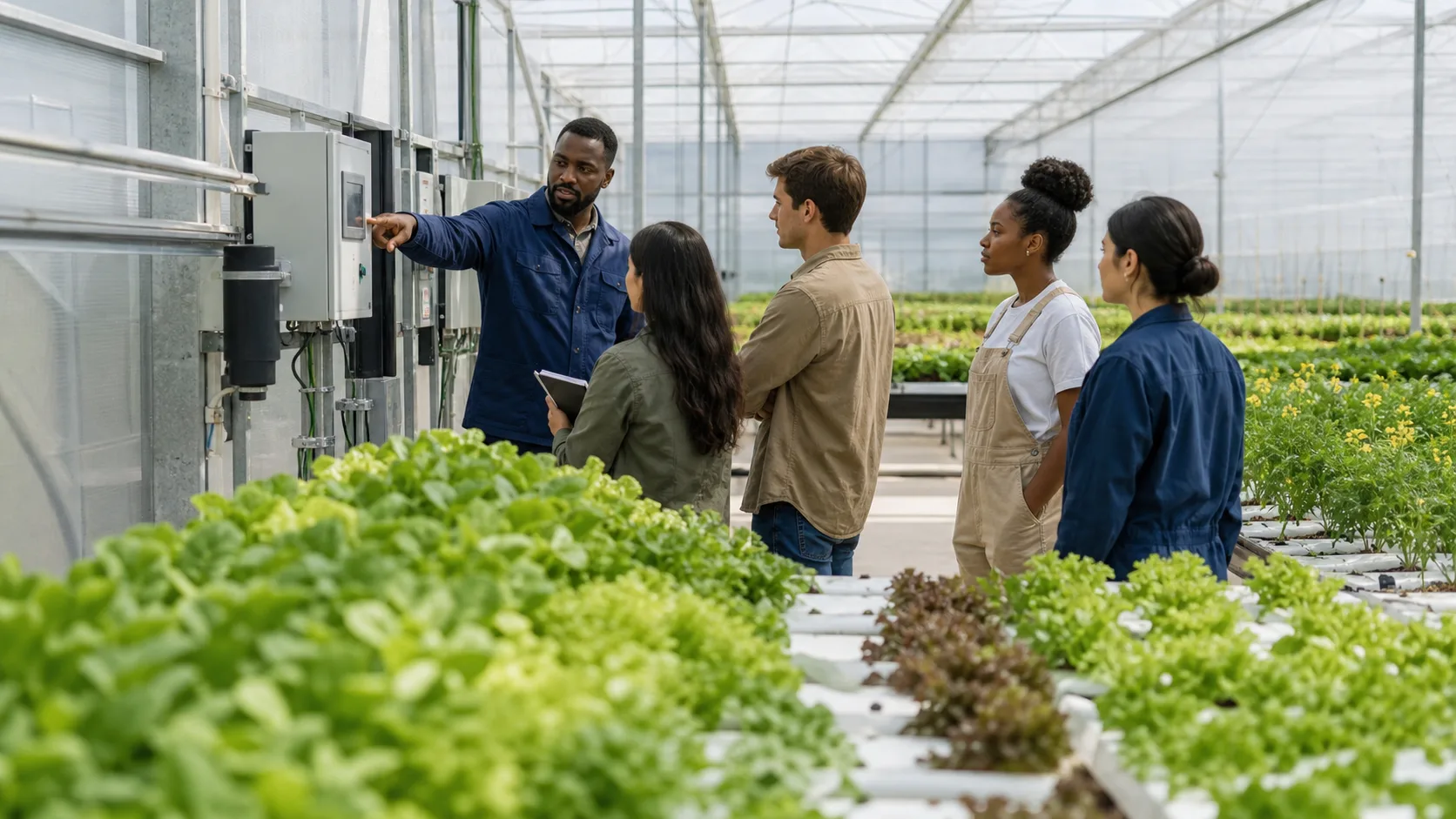
The Tidalember approach connects engineering detail with ecological responsibility.
Tidalember combines agricultural infrastructure planning with environmental science and engineering discipline for projects that must be productive and responsible.
Learn more
We support greenhouse, energy, water, monitoring, and environmental systems that can scale from pilot sites to larger development programs.
Learn more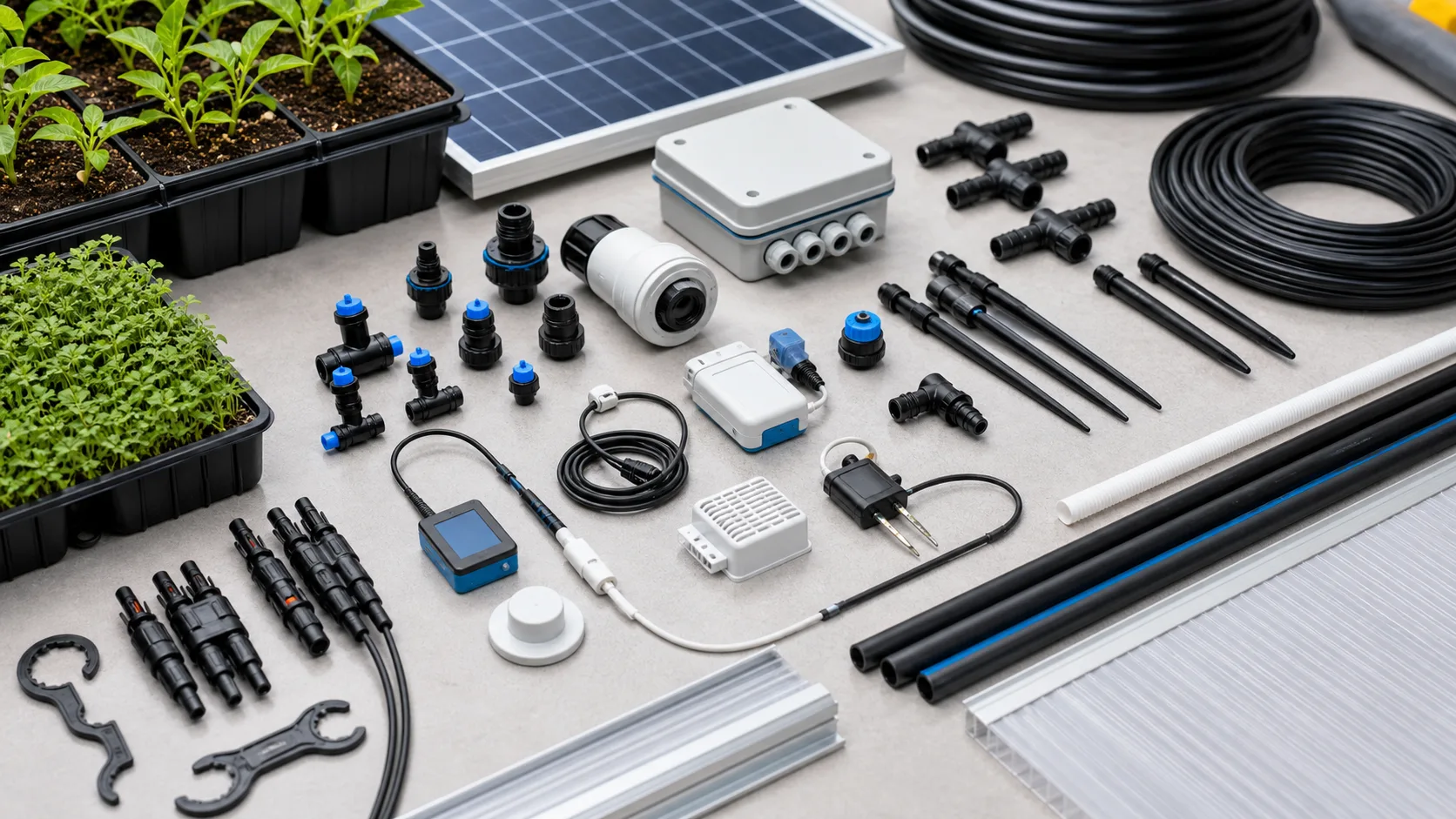
Our work is guided by the belief that agriculture and environmental protection should operate in harmony rather than opposition.
Learn moreWe clarify constraints, risks, system relationships, and operating requirements before recommending structures or technology.
Waterways, biodiversity, soils, waste streams, and pollution pathways are considered before development decisions are fixed.
Greenhouse and infrastructure systems must be understandable, maintainable, and practical for the teams who run them every day.
We prioritize durability, adaptability, efficiency, and phased improvement so infrastructure remains useful over time.
Tidalember works at the intersection of agriculture, infrastructure, renewable energy, and environmental stewardship, helping clients make responsible technical decisions before and during development.
We design around crop performance, climate control, workflow, labor access, water delivery, energy demand, and the practical realities of daily operation.
Tidalember integrates clean power and efficiency strategies into agricultural infrastructure so food production can become more resilient and less resource intensive.
Water use, drainage, nutrient delivery, runoff, and waste streams are reviewed as part of the engineering system, not as afterthoughts.
Large-scale projects are shaped to reduce ecological risk while supporting productive agriculture, biodiversity, aquatic systems, and long-term land value.
Our workflow gives clients practical clarity before capital is committed, then keeps engineering, environmental, and operating priorities aligned through delivery.
Clarify project goals, site conditions, production requirements, environmental sensitivities, and operational constraints.
Translate findings into practical system concepts, technical priorities, implementation phases, and resource requirements.
Align structures, energy, water, controls, procurement, environmental safeguards, schedules, and stakeholder responsibilities.
Review operating performance, maintenance needs, resource efficiency, and opportunities for future expansion or optimization.
We approach agricultural development with the discipline of engineering and the responsibility of environmental protection.
Greenhouse structures, power, water, crops, controls, waste, and ecology are evaluated as one interconnected project.
Protection of water bodies, biodiversity, soils, and surrounding communities is considered early in project planning.
Clients receive practical direction that connects project ambition to site realities and operational requirements.
Design decisions prioritize durability, maintainability, efficiency, and future adaptability.
Tell us about your site, crop goals, environmental requirements, or development plan and we will help shape the right engineering path.