Site
Site Reality Review
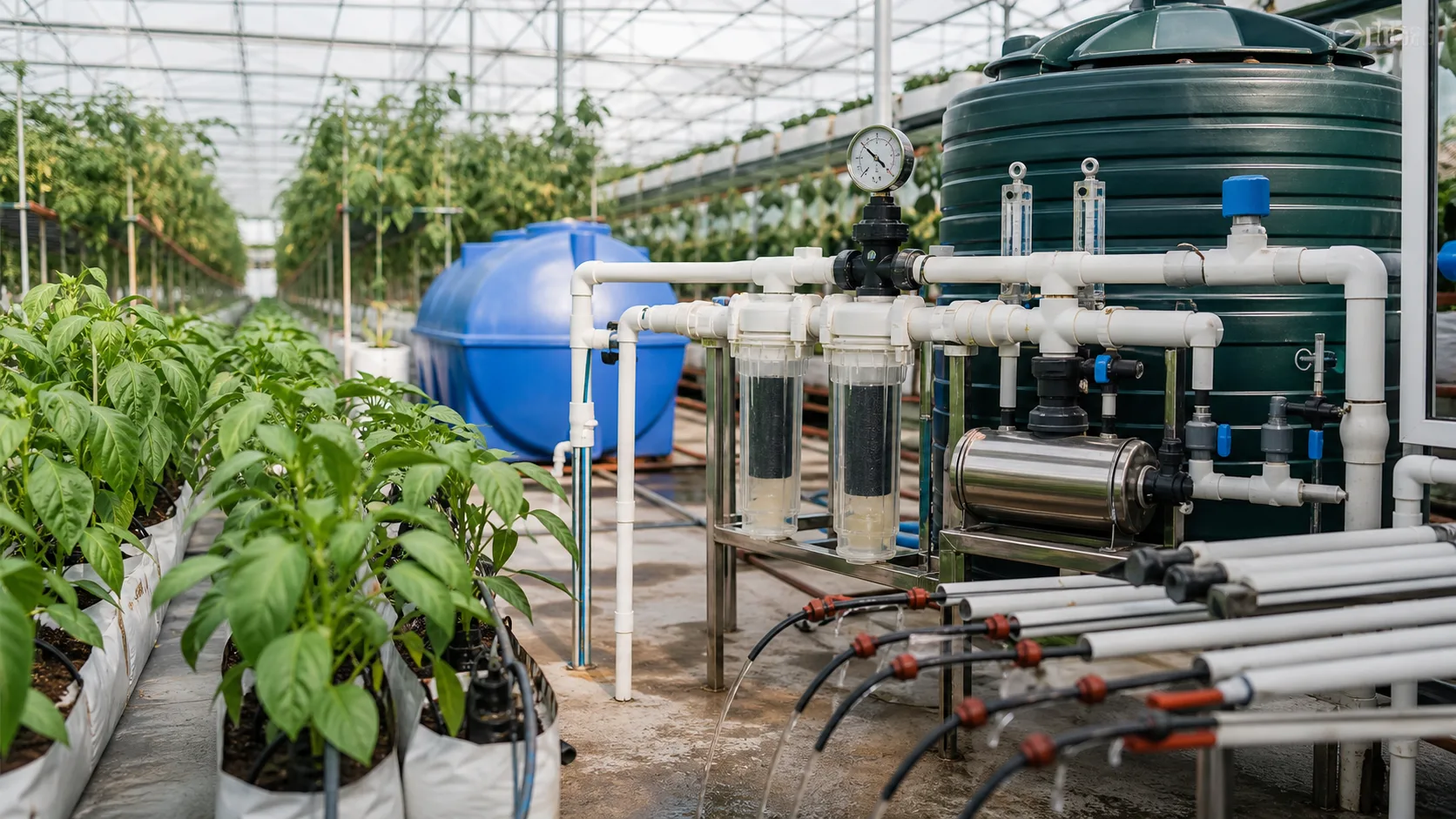
Land, climate, access, water source, drainage, utilities, surrounding ecosystems, and expansion capacity are assessed before project direction is finalized.
Learn more Tidalember
Tidalember
Tidalember
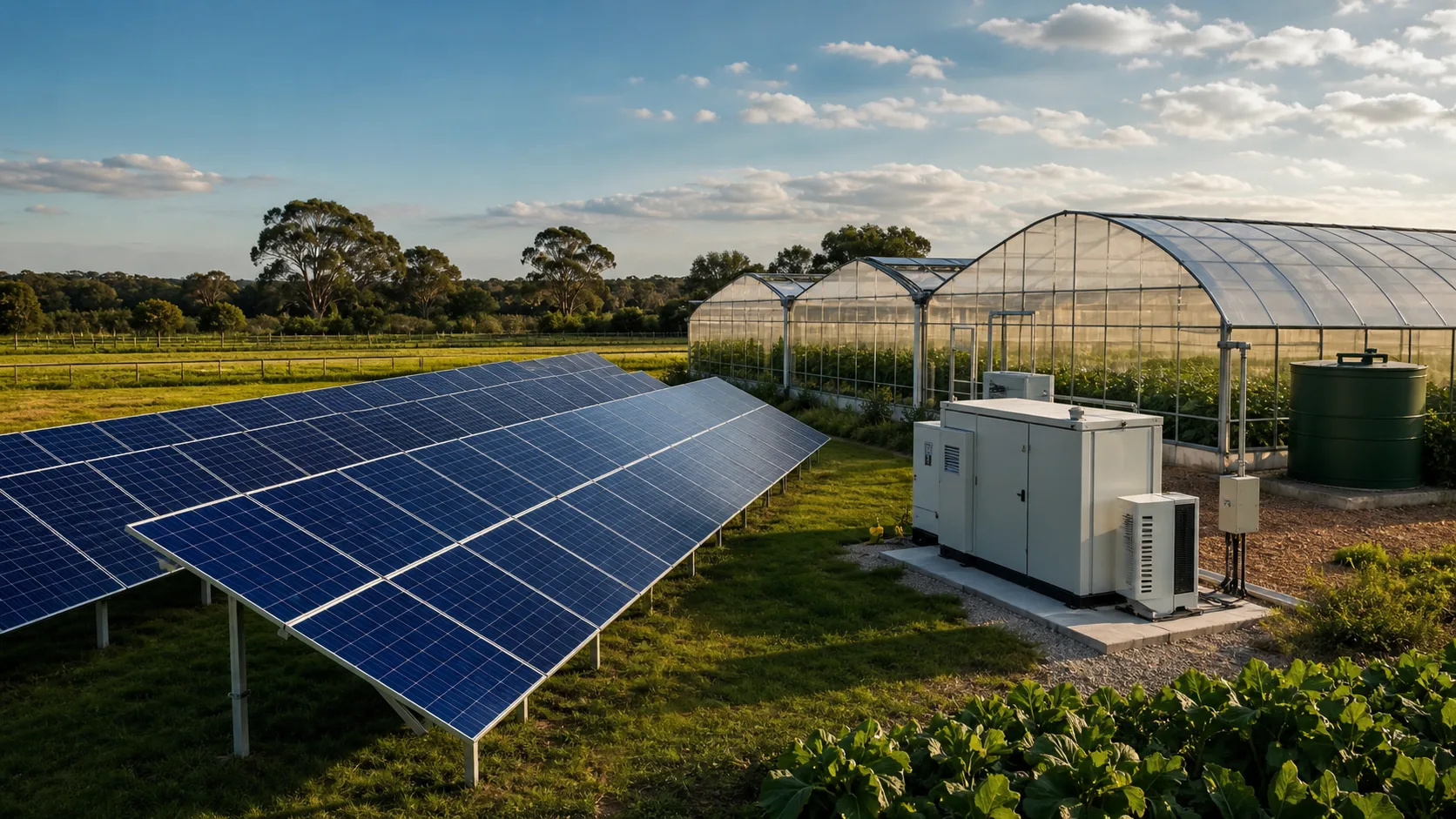
Technical consultation for agricultural sites, greenhouse feasibility, clean energy strategy, water use, environmental risk, and development planning.
Every system designed as one connected solution.
Clean energy integrated from the start.
Water, power, and inputs used responsibly.
Stewardship built into every project.
Good agricultural infrastructure starts with clear site intelligence. Tidalember assesses climate, land use, water availability, energy access, logistics, environmental constraints, and production goals.
We turn that information into practical recommendations that help clients avoid costly missteps and build with confidence.
Our planning support helps align engineering choices with financial, operational, and environmental realities.
Land, climate, access, water source, drainage, utilities, surrounding ecosystems, and expansion capacity are assessed before project direction is finalized.
Learn more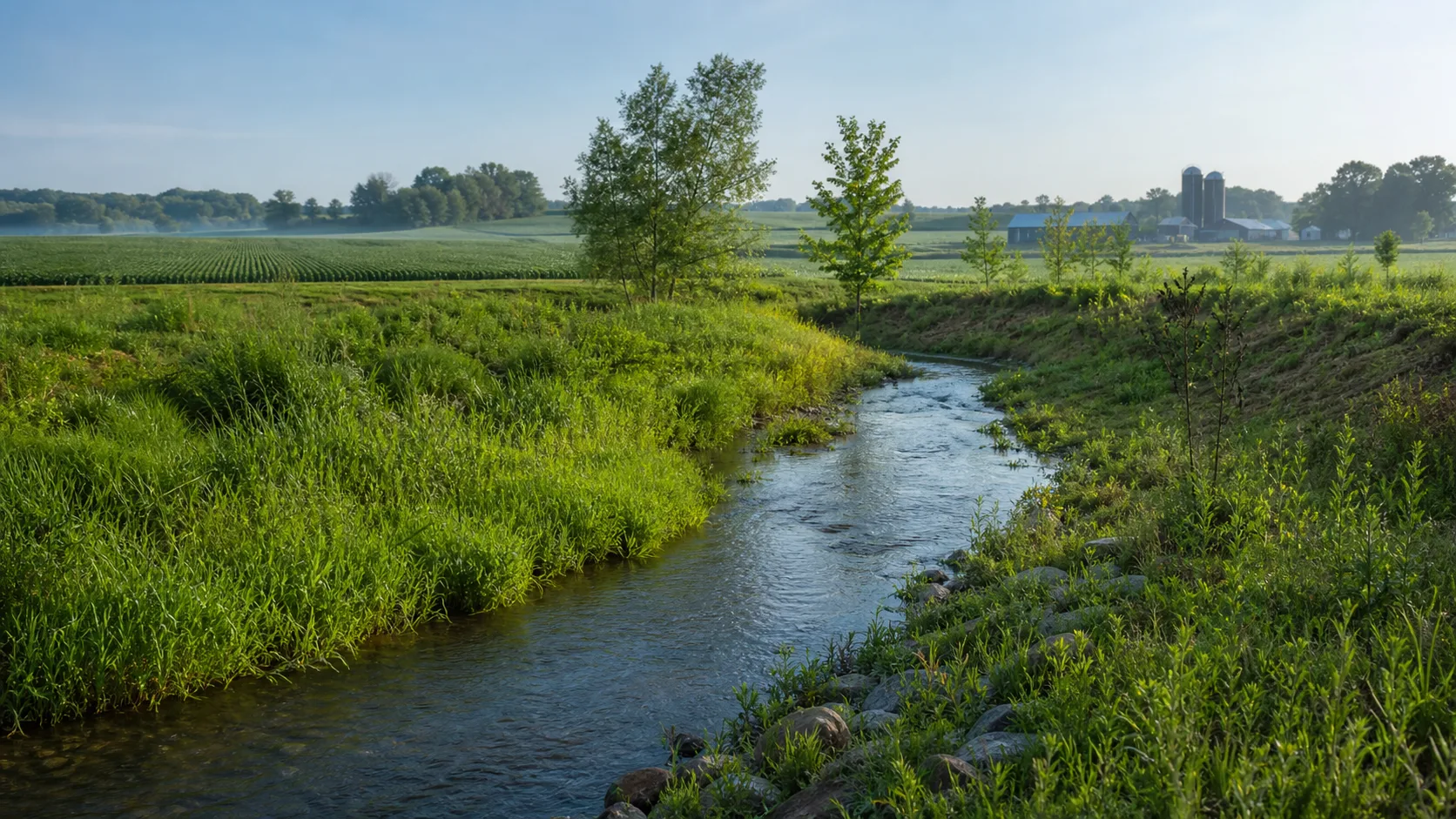
Feasibility work identifies the hidden issues that can affect budget, timeline, permitting, environmental impact, and operations.
Learn more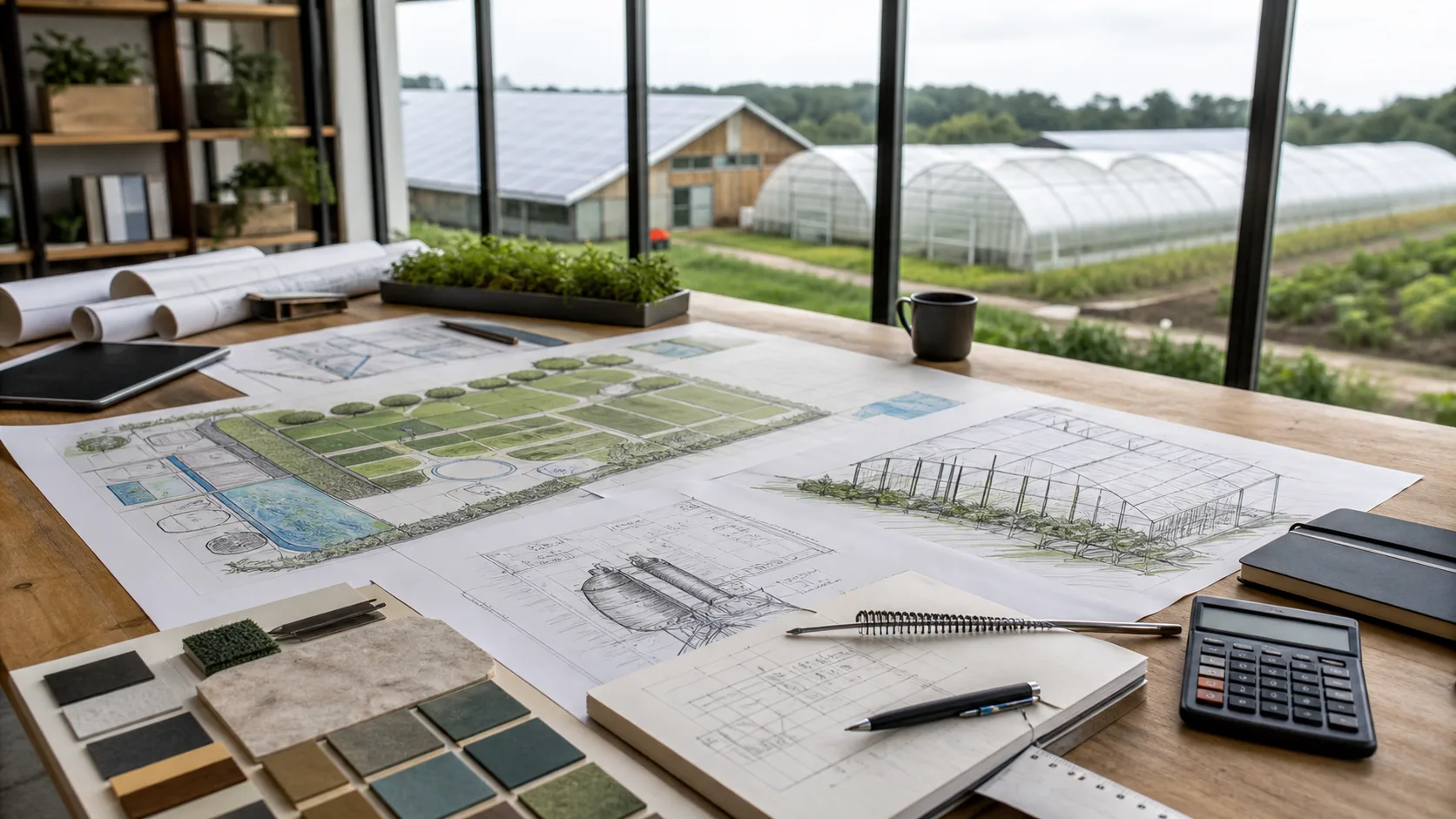
Findings are turned into a practical roadmap covering technical priorities, likely phases, information gaps, and next steps.
Learn moreWater, climate, access, slope, drainage, utilities, and environmental constraints are reviewed against the intended development.
Greenhouse structure, energy, water, controls, monitoring, waste, and environmental safeguards are scoped according to project need.
The roadmap identifies the most important uncertainties before design and procurement move forward.
Projects can be broken into feasible stages to manage cost, learning, and operating readiness.
Feasibility work helps clients avoid expensive mistakes by examining environmental, technical, operational, and financial realities before design decisions harden.
We evaluate land, orientation, access, utilities, water, climate exposure, slope, drainage, and expansion potential.
Water source, quality, delivery, power access, renewable potential, and backup needs are reviewed against project ambitions.
Environmental sensitivities, biodiversity, aquatic systems, pollution risks, waste handling, and land-use considerations are identified early.
We turn feasibility findings into phased recommendations, priorities, estimated scope, and next-step project requirements.
Our workflow gives clients practical clarity before capital is committed, then keeps engineering, environmental, and operating priorities aligned through delivery.
Clarify project goals, site conditions, production requirements, environmental sensitivities, and operational constraints.
Translate findings into practical system concepts, technical priorities, implementation phases, and resource requirements.
Align structures, energy, water, controls, procurement, environmental safeguards, schedules, and stakeholder responsibilities.
Review operating performance, maintenance needs, resource efficiency, and opportunities for future expansion or optimization.
Tidalember focuses on outcomes that can be designed, operated, measured, and improved over time.
Clients can decide whether, where, and how to proceed before committing major capital.
Feasibility work defines what systems, studies, resources, and partners are likely needed.
Environmental, water, energy, access, and operating constraints are identified early.
A clearer scope supports more realistic project costing and implementation planning.
Tell us about your site, crop goals, environmental requirements, or development plan and we will help shape the right engineering path.