Tidalember
Tidalember case studies
Case Studies

Tidalember Project Case Studies

Examples of how Tidalember approaches solar greenhouse development, renewable agriculture systems, water efficiency, and environmental protection through practical engineering planning.

Project Evidence

Project scenarios with clear engineering outcomes

Each case study explains the challenge, Tidalember’s response, and the practical outcome for sustainable agricultural infrastructure and environmental development.

Solar Greenhouse Feasibility for a High-Efficiency Growing Facility
Solar Greenhouse Development

Solar Greenhouse Feasibility for a High-Efficiency Growing Facility

Challenge

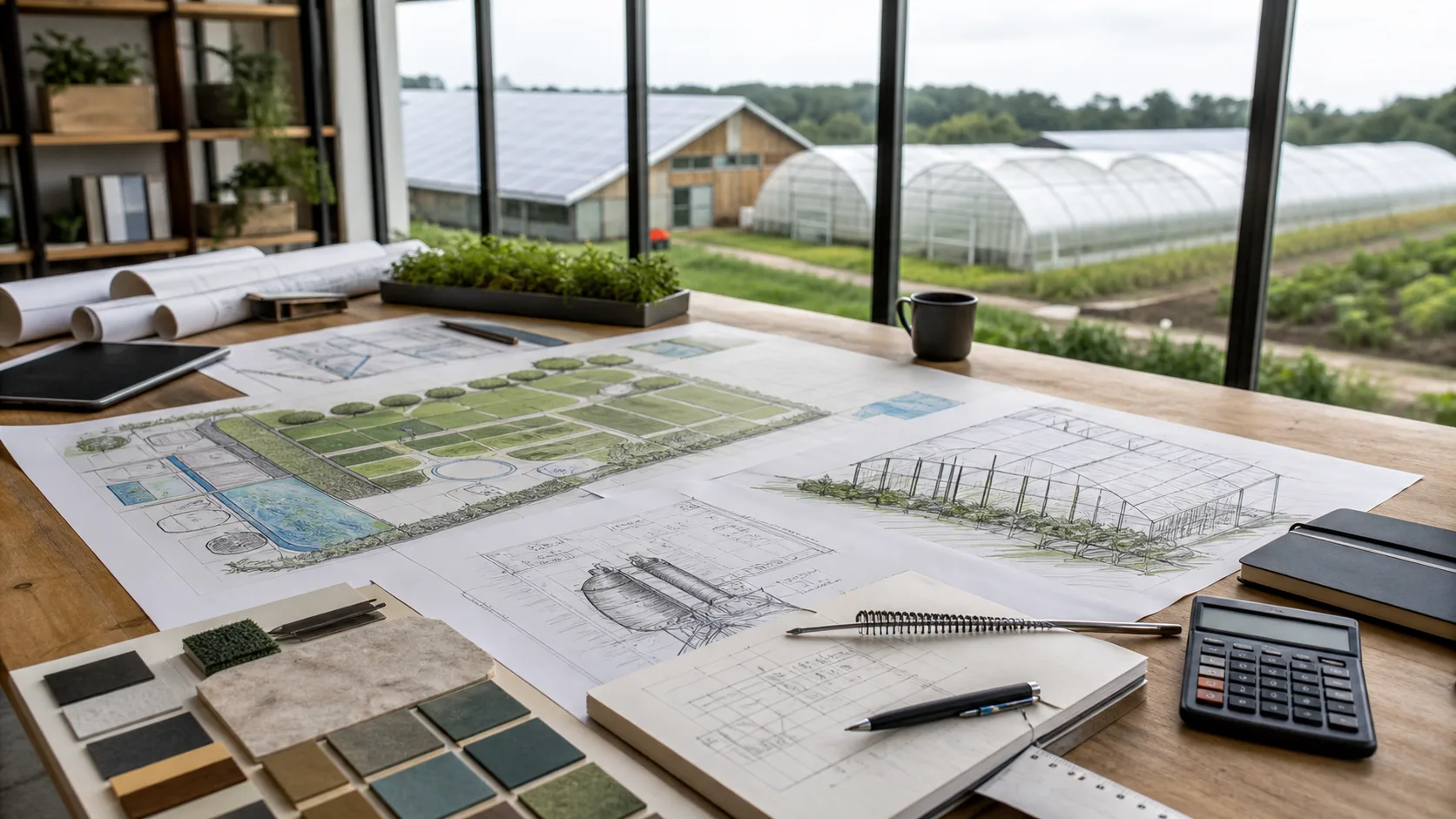
A project team wanted to develop a controlled-environment growing facility but needed to understand whether the site could support solar greenhouse infrastructure, efficient irrigation, renewable energy, and reliable operations.

Tidalember Response

Tidalember structured a feasibility pathway covering solar orientation, greenhouse envelope requirements, crop workflow, water source considerations, irrigation demand, energy loads, access, drainage, and phased implementation.

Outcome

The project moved from a broad concept to a practical development roadmap with clear technical priorities, likely infrastructure phases, and early risk items to resolve before procurement.

Solar-oriented concept
Water and energy requirements mapped
Phased development roadmap
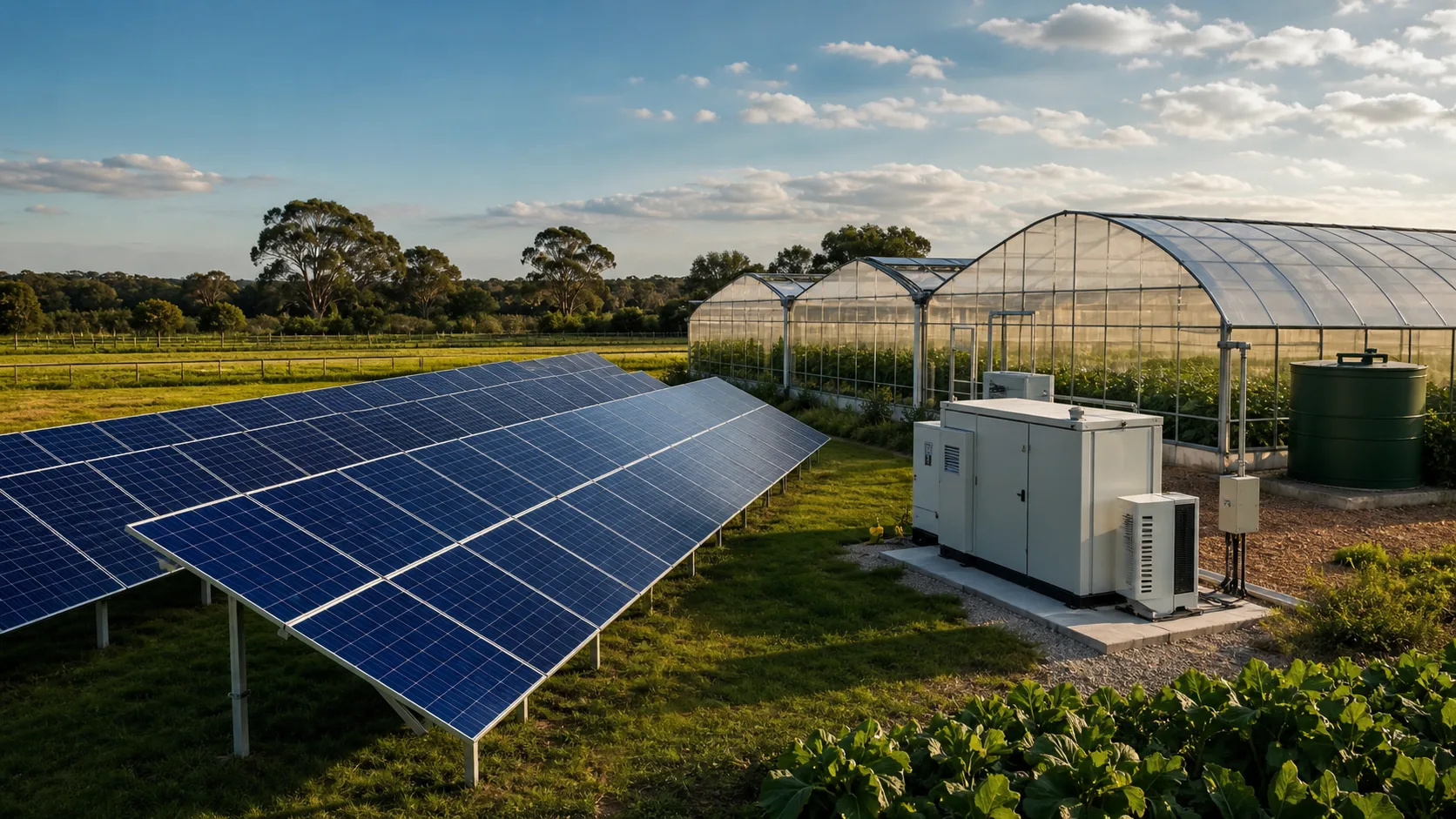
Water Efficiency Upgrade for Controlled-Environment Agriculture
Irrigation and Water Systems

Water Efficiency Upgrade for Controlled-Environment Agriculture

Challenge

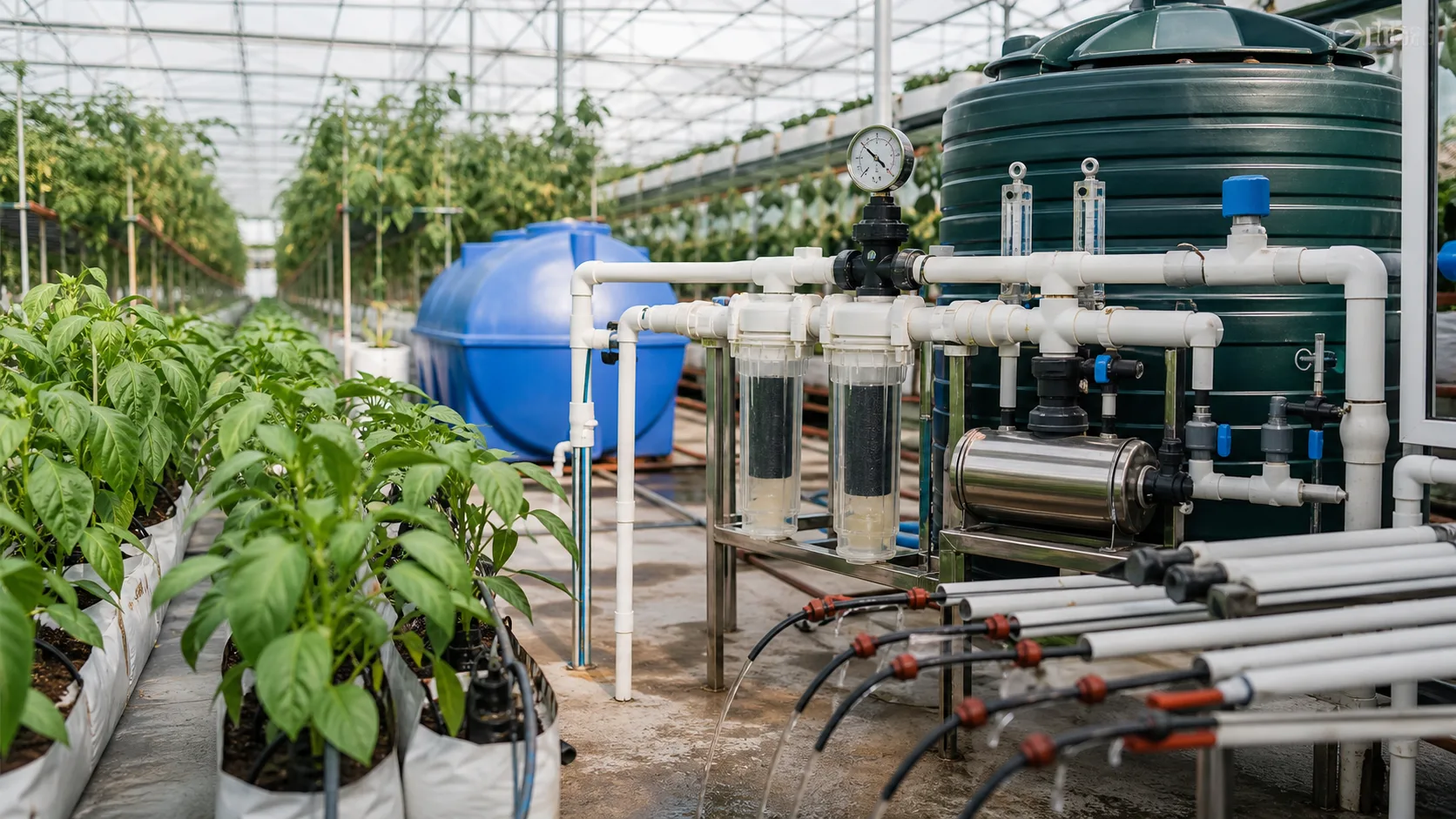
An existing growing operation needed to reduce water waste, improve irrigation consistency, and better understand drainage and nutrient movement across the facility.

Tidalember Response

Tidalember reviewed irrigation layout, filtration needs, pressure considerations, fertigation practices, monitoring requirements, runoff risk, and practical maintenance routines.

Outcome

The recommended upgrade plan focused on precision delivery, improved filtration and pressure control, better monitoring, and runoff reduction measures to protect both crops and surrounding soil and water.

Precision irrigation priorities
Runoff reduction plan
Monitoring checklist
Environmental Protection Plan for Agricultural Site Development
Environmental Development

Environmental Protection Plan for Agricultural Site Development

Challenge

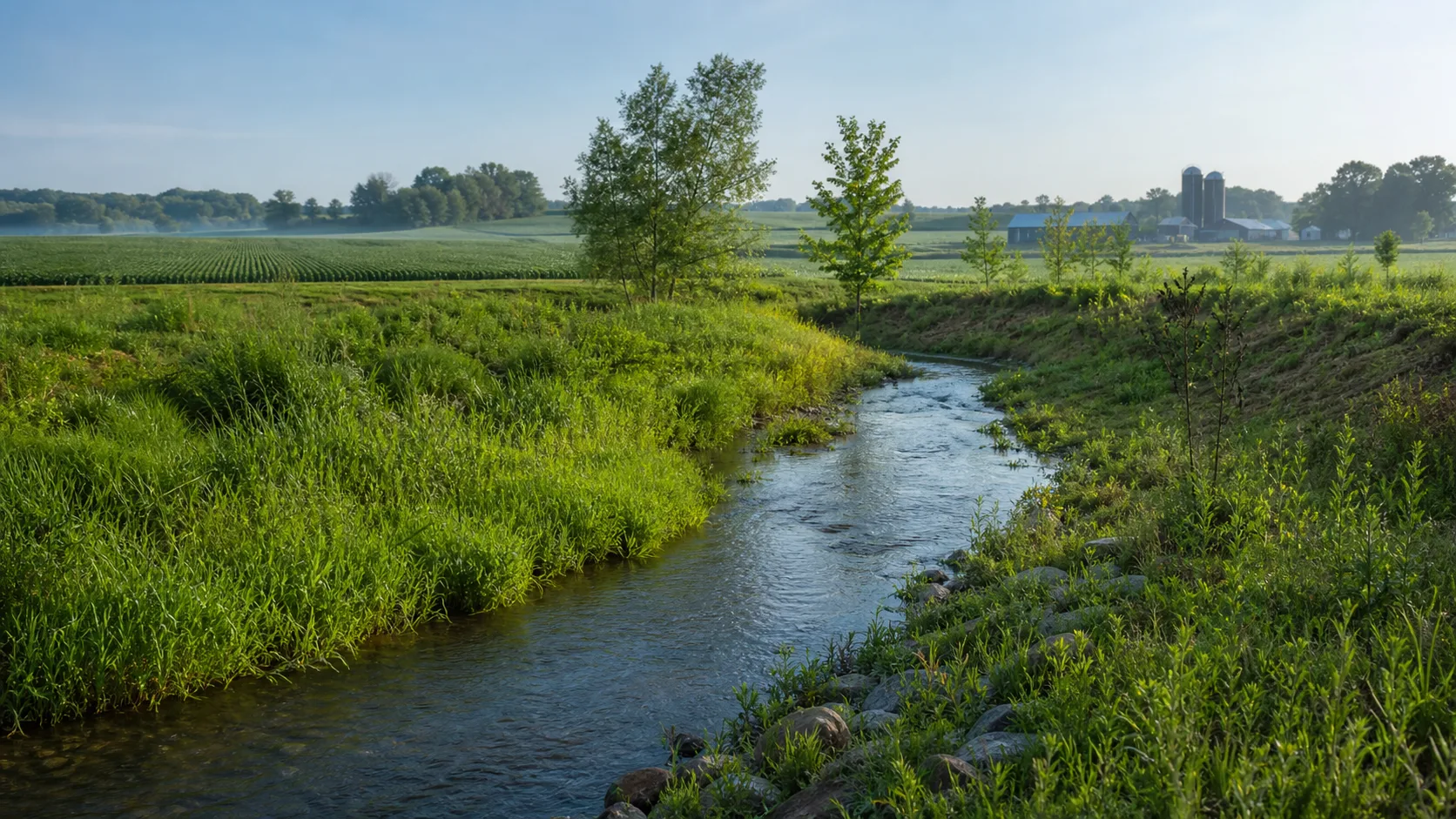
A development site near sensitive water and habitat areas required a stronger environmental planning approach before agricultural infrastructure decisions were finalized.

Tidalember Response

Tidalember framed environmental safeguards around aquatic ecosystem preservation, biodiversity conservation, drainage routes, waste handling, pollution pathways, and operational controls.

Outcome

The planning direction helped integrate production goals with environmental stewardship, reducing runoff risk, habitat disturbance, unmanaged waste, and future remediation costs.

Aquatic protection priorities
Biodiversity considerations
Pollution pathways mapped
Renewable Energy Strategy for Greenhouse Operations
Renewable Agriculture Systems

Renewable Energy Strategy for Greenhouse Operations

Challenge

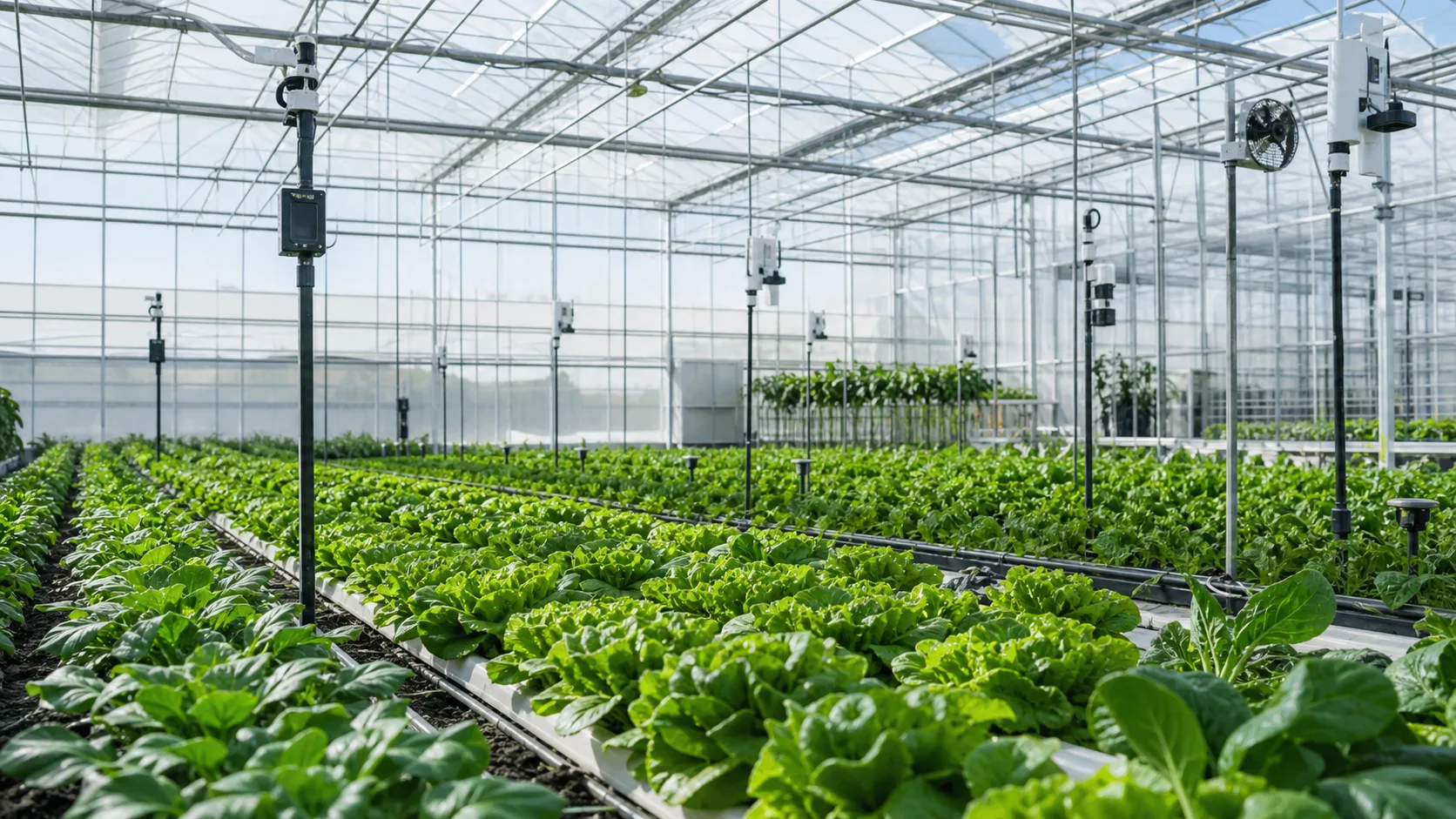
A greenhouse project needed to understand how solar generation, storage, backup power, and operating loads should be planned before equipment selection.

Tidalember Response

Tidalember evaluated likely demand from pumps, ventilation, monitoring, controls, lighting, and critical systems, then separated critical loads from flexible operating loads.

Outcome

The project received a clearer renewable energy strategy focused on realistic load planning, resilience, storage considerations, and compatibility with greenhouse performance.

Critical loads identified
Solar strategy aligned
Backup needs clarified