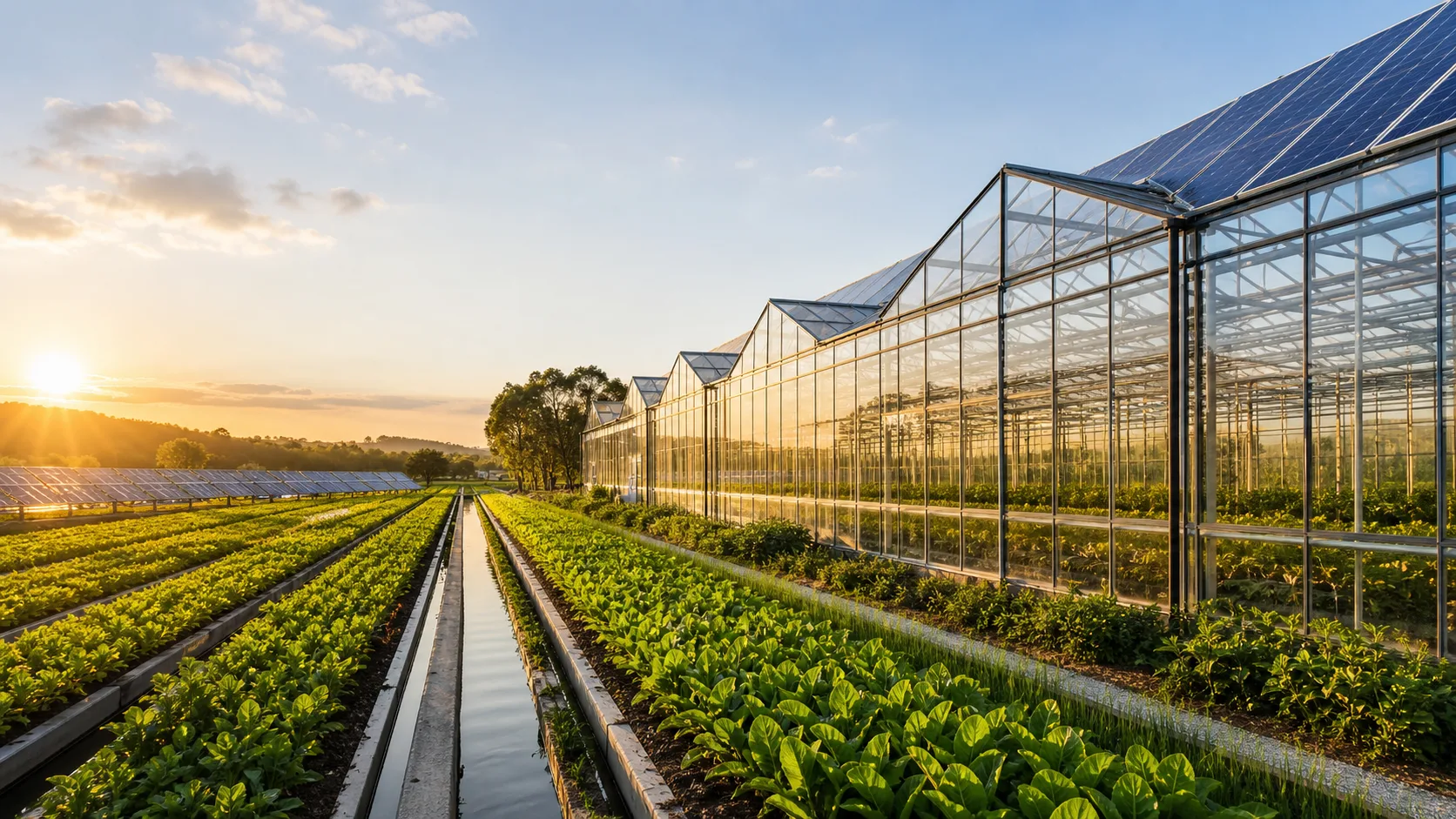
Irrigation
Precision Irrigation
Water delivery is matched to crop needs, growing method, pressure, filtration, fertigation, and monitoring requirements.
Learn more Tidalember
Tidalember
Tidalember
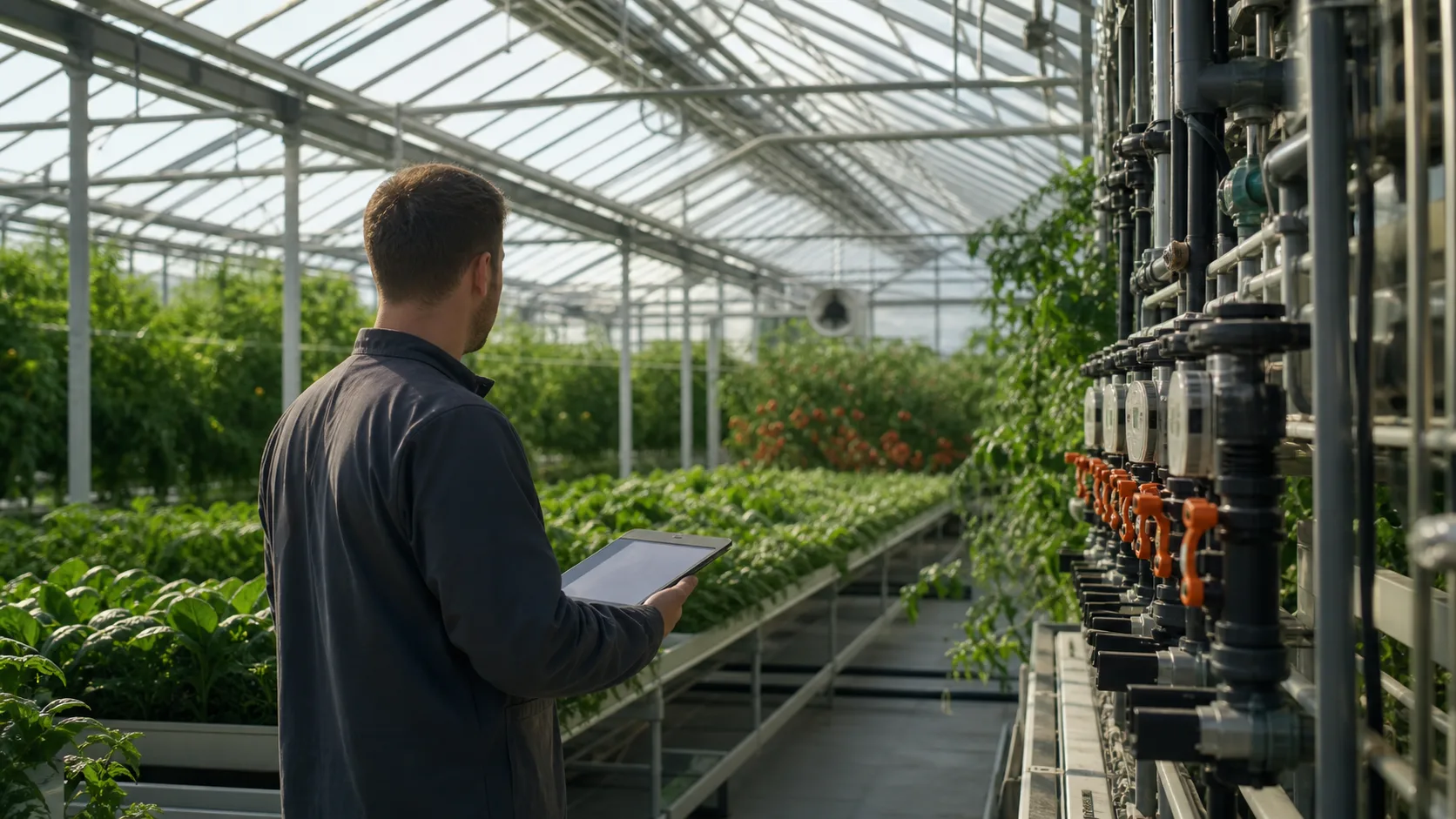
Efficient irrigation, fertigation, drainage, water storage, filtration, and reuse strategies for greenhouse and farm infrastructure.
Every system designed as one connected solution.
Clean energy integrated from the start.
Water, power, and inputs used responsibly.
Stewardship built into every project.
Water is one of the most important design variables in sustainable agriculture. Tidalember plans systems that deliver the right amount of water and nutrients while limiting waste and runoff.
We consider crop requirements, source quality, storage, pressure, filtration, automation, drainage, and environmental protection.
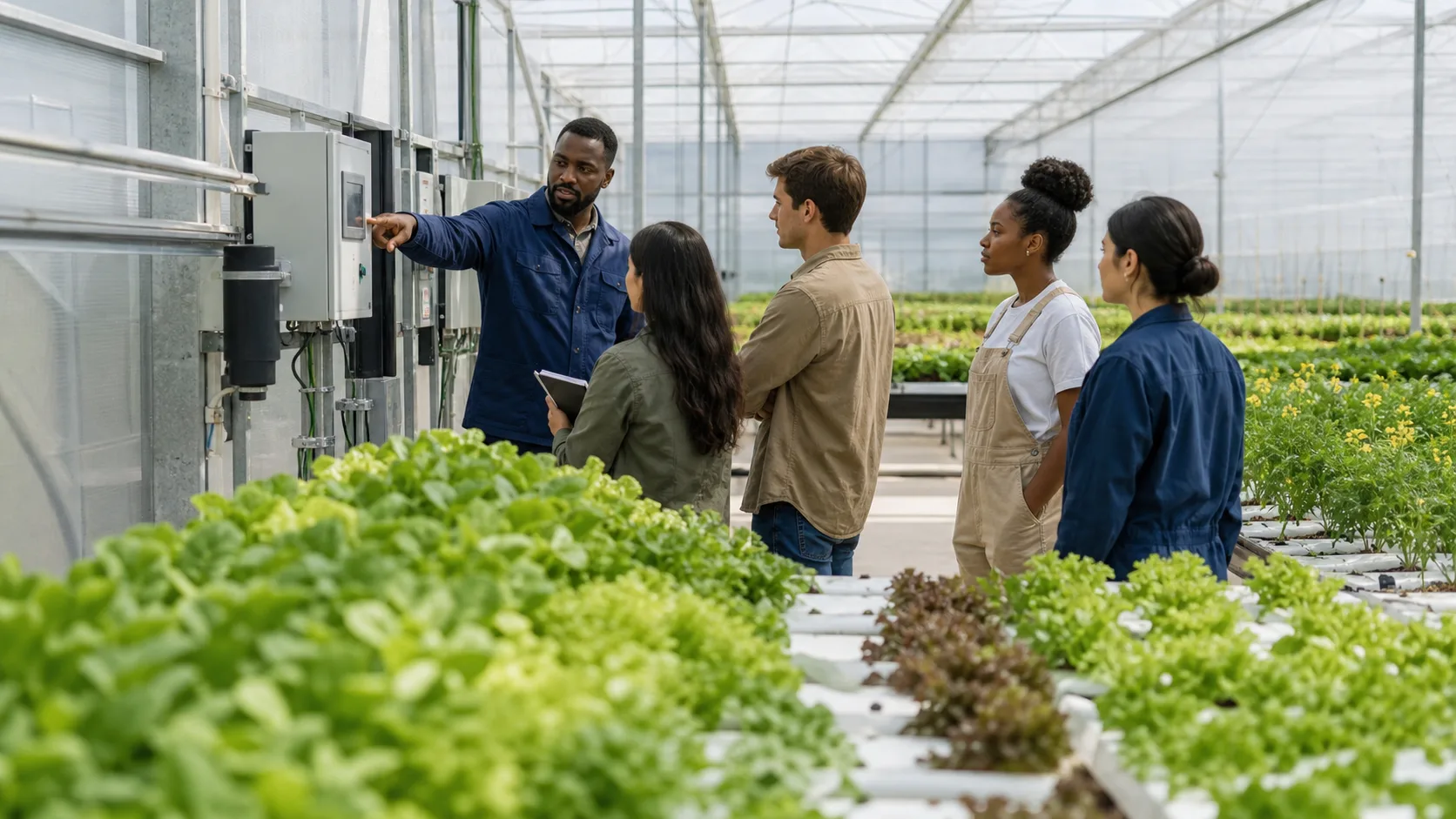
Irrigation and nutrient infrastructure should support both productivity and conservation.
Water delivery is matched to crop needs, growing method, pressure, filtration, fertigation, and monitoring requirements.
Learn more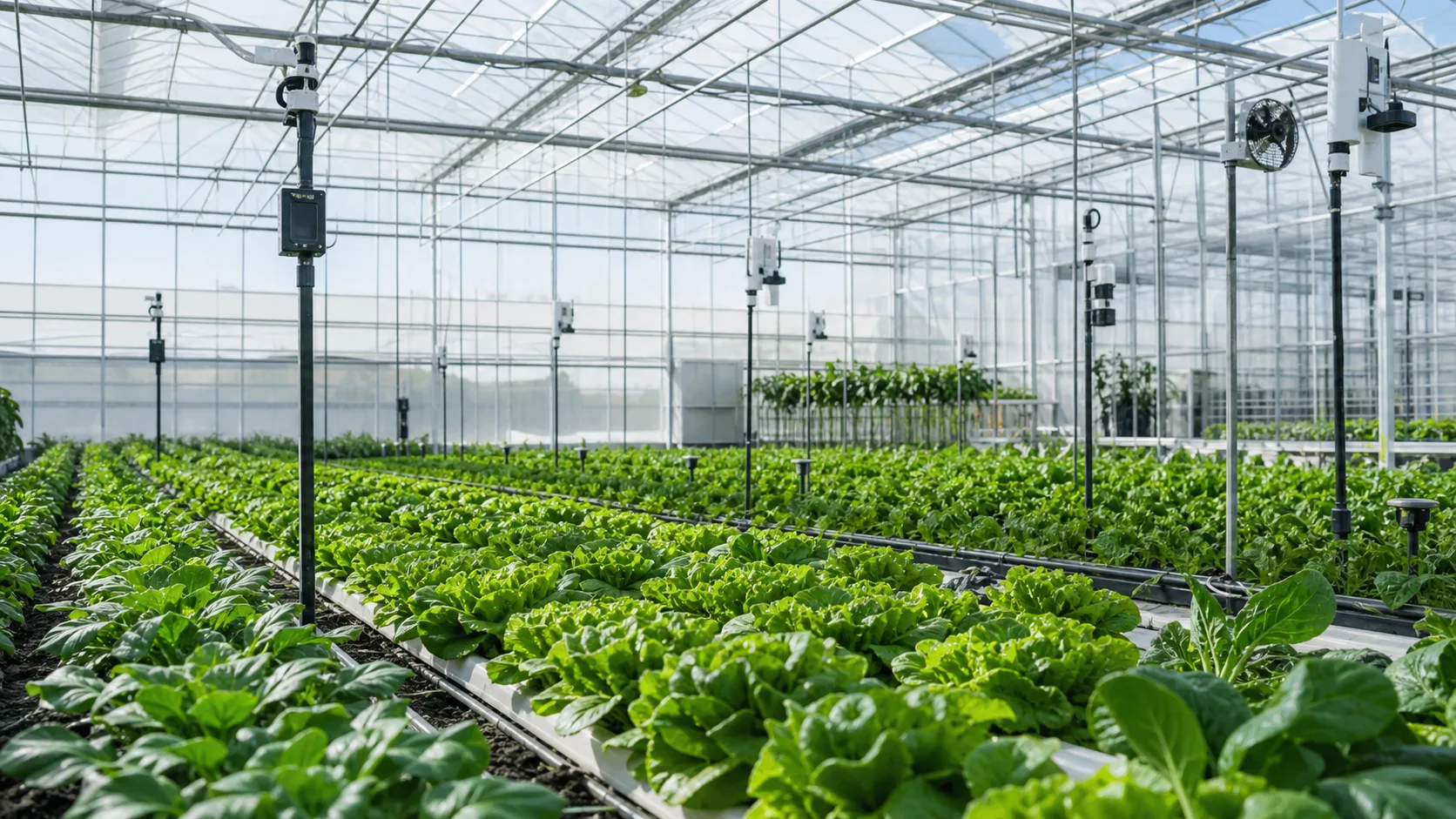
Capture, reuse, storage, drainage, and loss reduction are reviewed where they fit the project and site conditions.
Learn more
Drainage and nutrient movement are planned to reduce pollution pathways and protect surrounding soil and aquatic systems.
Learn moreWe assess land, water, energy, access, climate, and operating needs before committing to a build strategy.
Solar generation, backup power, controls, and efficiency measures are planned as one connected system.
Greenhouse envelopes, irrigation, ventilation, shading, and monitoring are matched to production goals.
Projects account for biodiversity, aquatic systems, pollution risks, waste streams, and long-term resilience.
Water strategy affects crop health, nutrient efficiency, environmental compliance, operating cost, and long-term site resilience.
We review water availability, quality concerns, storage needs, filtration, and treatment requirements before recommending delivery systems.
Delivery systems are matched to crop needs, growing medium, production goals, and maintenance capacity.
Where appropriate, water reuse, recirculation, capture, and conservation strategies are considered to reduce demand and waste.
Drainage, runoff, nutrient movement, and pollution pathways are planned to protect soil, water bodies, and surrounding ecosystems.
Our workflow gives clients practical clarity before capital is committed, then keeps engineering, environmental, and operating priorities aligned through delivery.
Clarify project goals, site conditions, production requirements, environmental sensitivities, and operational constraints.
Translate findings into practical system concepts, technical priorities, implementation phases, and resource requirements.
Align structures, energy, water, controls, procurement, environmental safeguards, schedules, and stakeholder responsibilities.
Review operating performance, maintenance needs, resource efficiency, and opportunities for future expansion or optimization.
Tidalember focuses on outcomes that can be designed, operated, measured, and improved over time.
Precision delivery reduces waste while supporting consistent crop production.
Fertigation planning helps deliver nutrients accurately while reducing losses and runoff.
Drainage and runoff planning helps protect nearby soils, wetlands, waterways, and habitats.
Storage, filtration, pressure, and maintenance needs are considered before systems are installed.
Tell us about your site, crop goals, environmental requirements, or development plan and we will help shape the right engineering path.