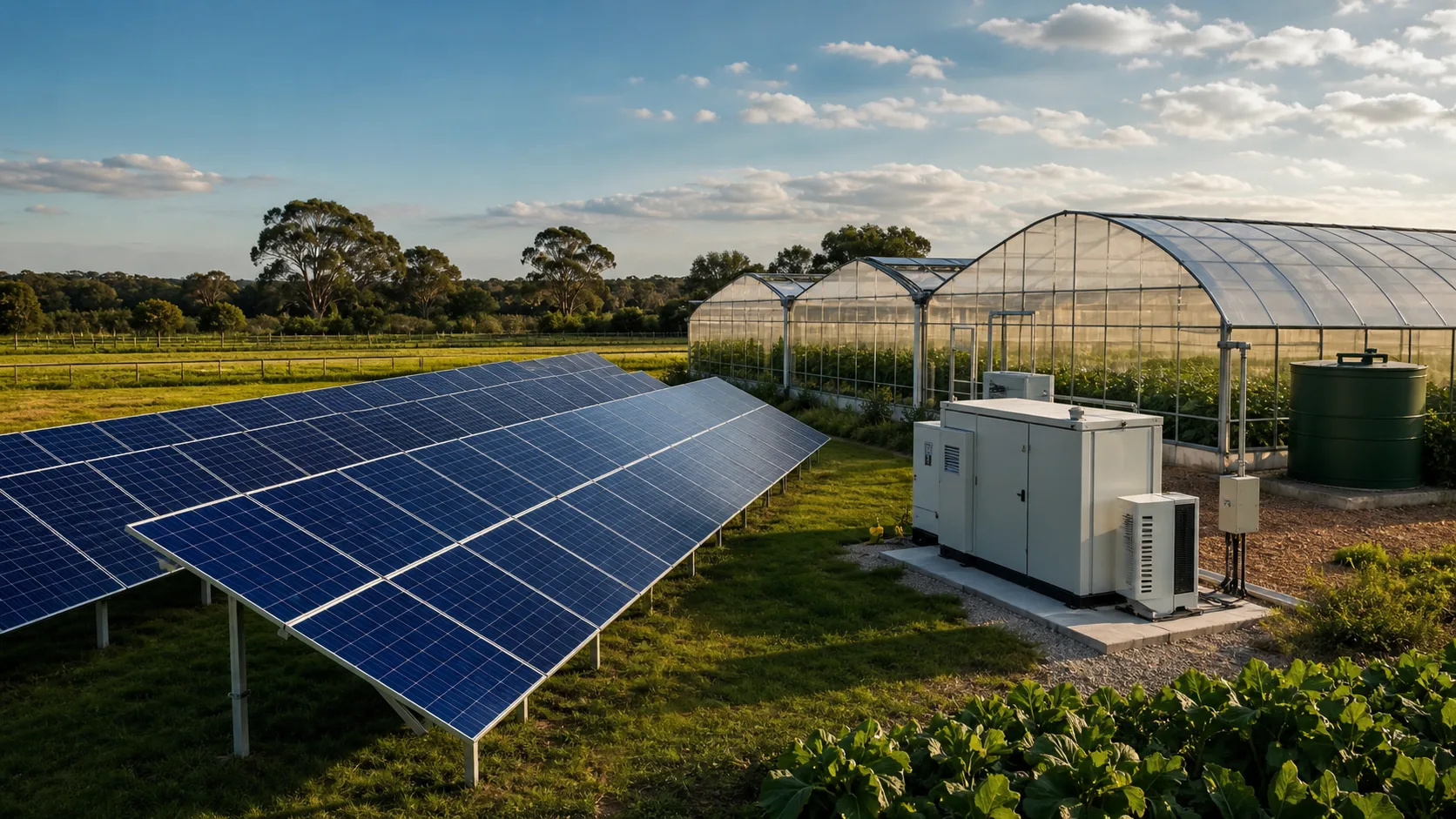
Infrastructure
Solar Greenhouse Systems
Design and planning for greenhouse structures that combine passive solar gain, photovoltaic power, ventilation, irrigation, and crop-specific climate control.
Learn more Tidalember
Tidalember
Tidalember
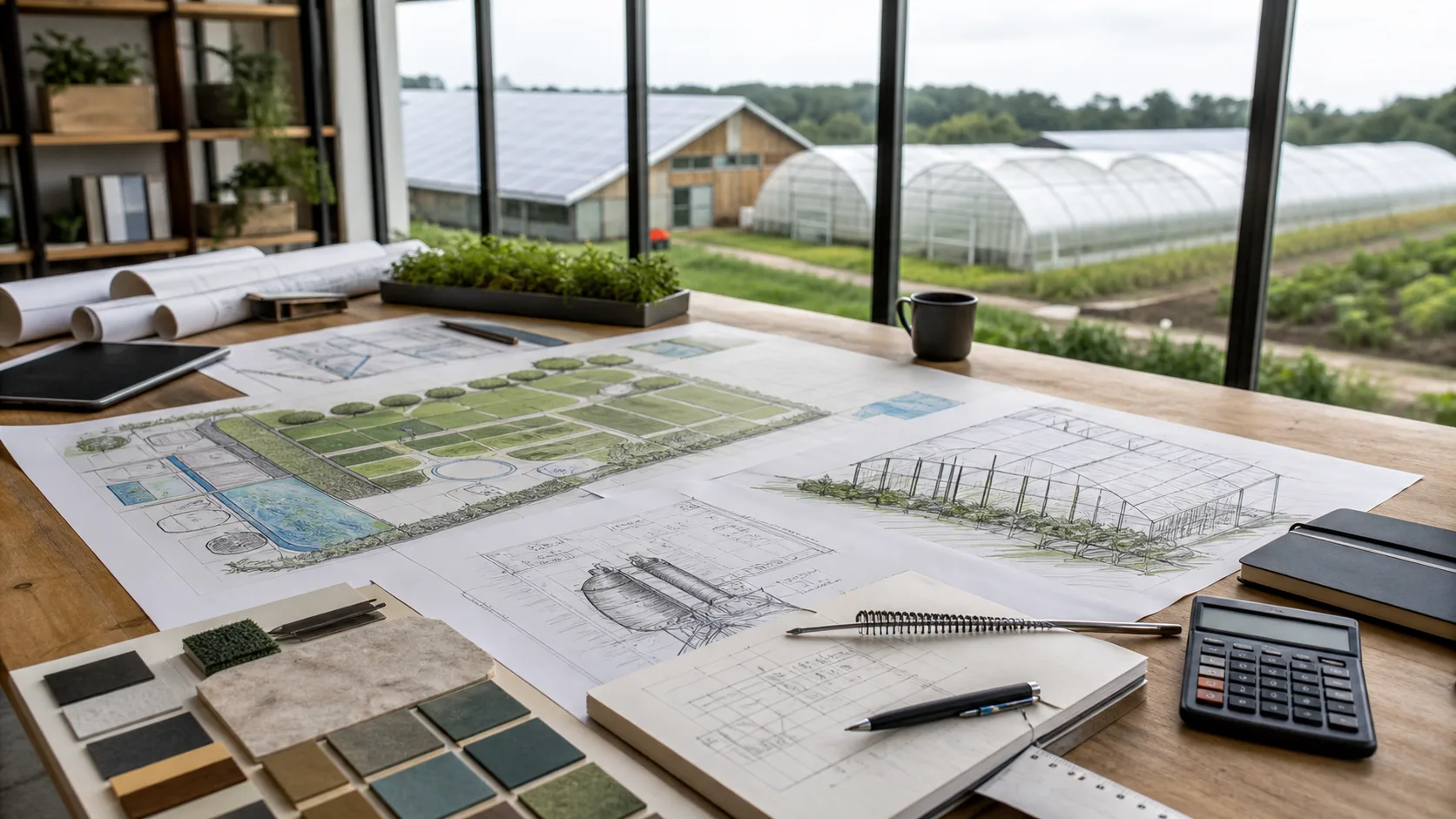
Tidalember designs sustainable agricultural infrastructure that combines solar greenhouse systems, renewable energy, efficient growing environments, and environmental stewardship.
Every system designed as one connected solution.
Clean energy integrated from the start.
Water, power, and inputs used responsibly.
Stewardship built into every project.
Tidalember is an agricultural engineering and environmental development company focused on practical systems for resilient food production. We plan and support solar-powered greenhouse structures, controlled-environment agriculture, clean energy integration, water efficiency, and responsible land development.
Our work is grounded in the belief that productive agriculture and environmental protection should strengthen each other. Every project is shaped around long-term performance, reduced environmental impact, and community value.
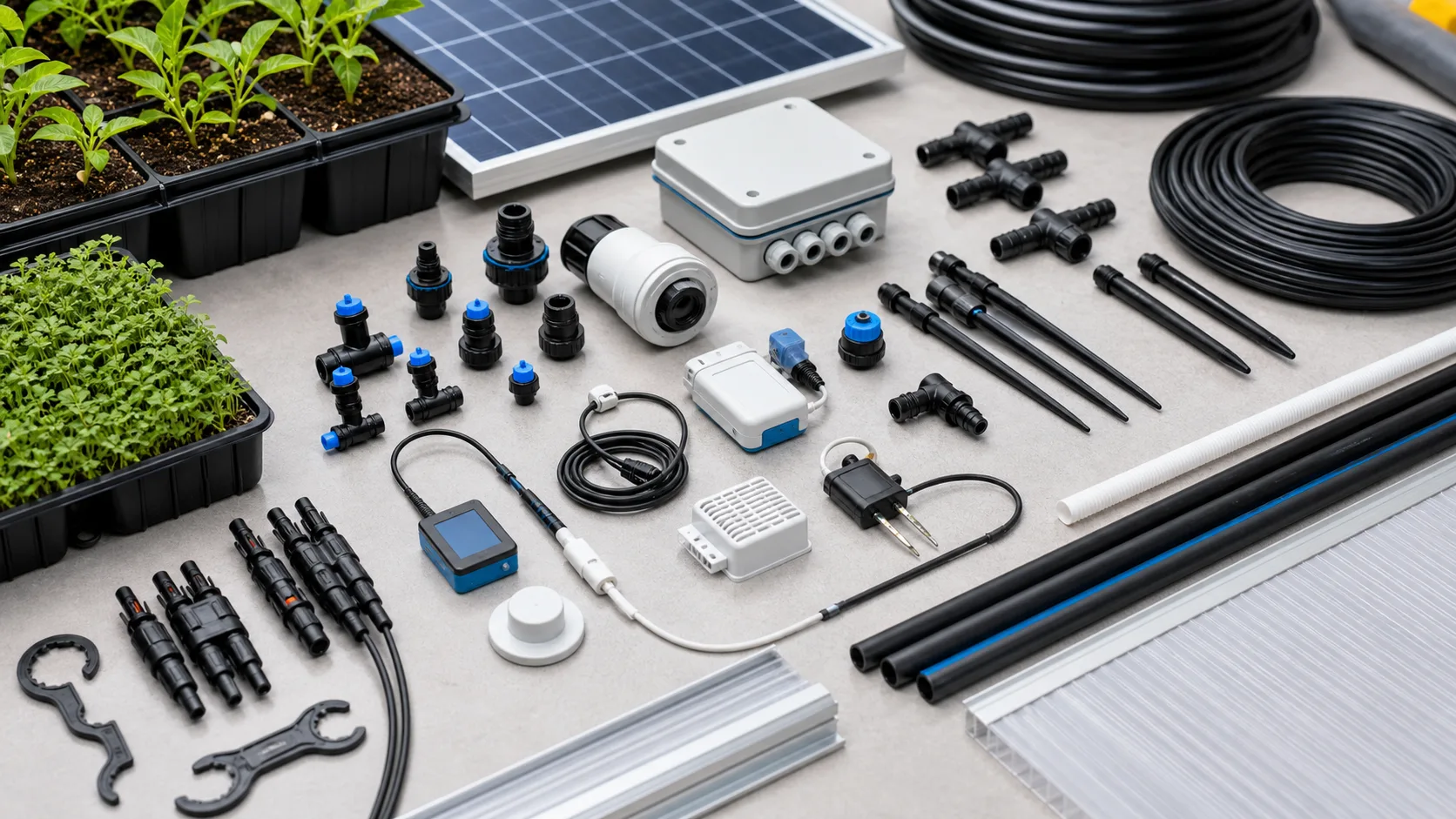
From greenhouse design to environmental remediation planning, Tidalember brings engineering discipline to the full project lifecycle.
Design and planning for greenhouse structures that combine passive solar gain, photovoltaic power, ventilation, irrigation, and crop-specific climate control.
Learn more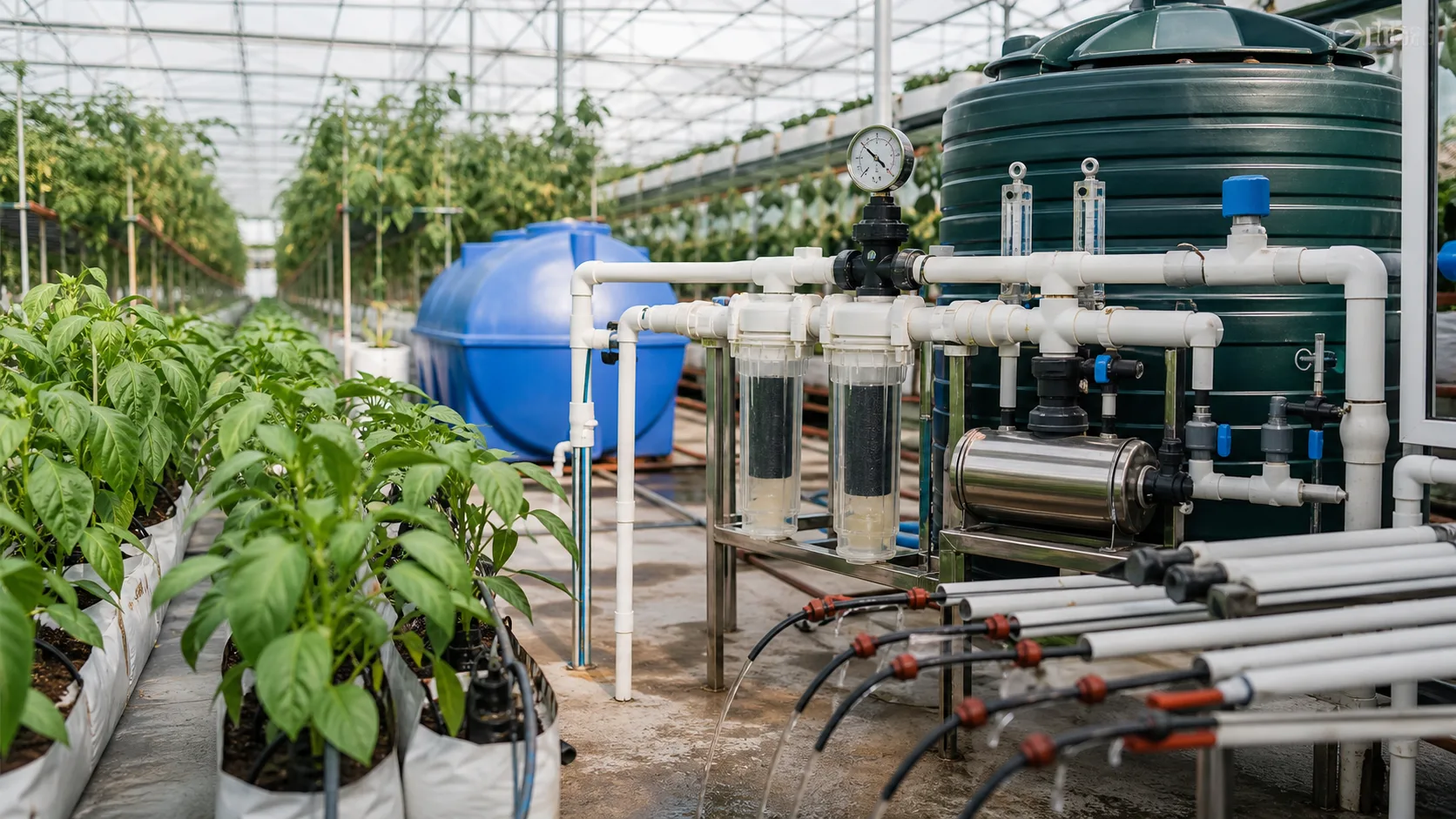
Integrated energy, water, and growing systems that improve production efficiency while reducing operational waste and environmental impact.
Learn more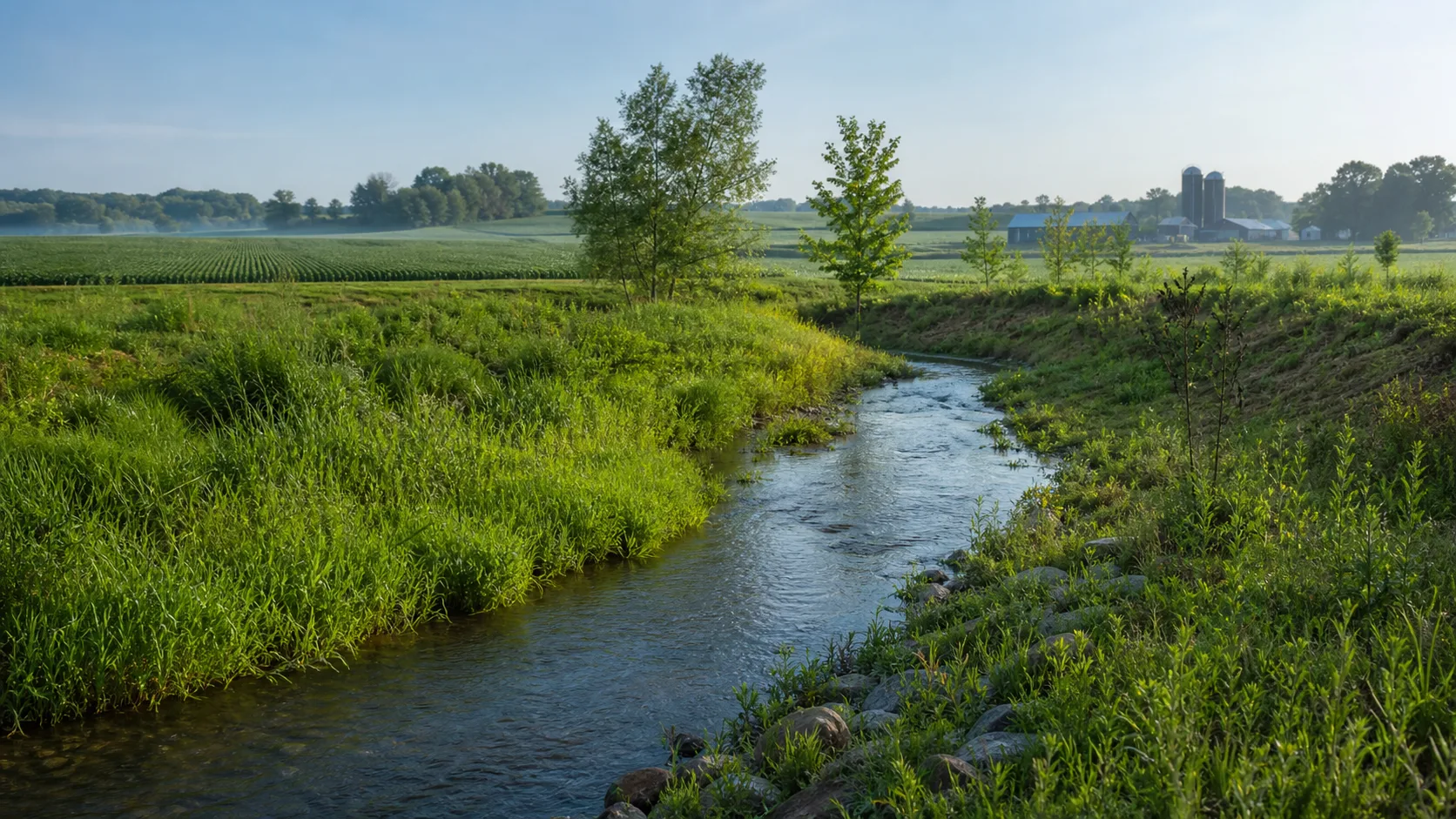
Aquatic ecosystem preservation, biodiversity support, waste remediation planning, and pollution reduction strategies for responsible development.
Learn moreWe connect site layout, greenhouse structures, energy, water, access, drainage, controls, and environmental safeguards into one coherent development strategy.
Solar power, efficient irrigation, controlled growing environments, and monitoring are planned to improve productivity while reducing waste and operating risk.
Biodiversity, aquatic ecosystems, waste remediation, pollution pathways, and land stewardship are considered as part of the engineering scope.
Recommendations are written for real decisions: what to build, what to phase, what to source, what to monitor, and what to improve over time.
Tidalember combines environmental science, chemical engineering thinking, agricultural engineering, clean energy planning, and large-scale development experience to create infrastructure that performs technically and respects natural systems.
We design around crop performance, climate control, workflow, labor access, water delivery, energy demand, and the practical realities of daily operation.
Tidalember integrates clean power and efficiency strategies into agricultural infrastructure so food production can become more resilient and less resource intensive.
Water use, drainage, nutrient delivery, runoff, and waste streams are reviewed as part of the engineering system, not as afterthoughts.
Large-scale projects are shaped to reduce ecological risk while supporting productive agriculture, biodiversity, aquatic systems, and long-term land value.
Our workflow gives clients practical clarity before capital is committed, then keeps engineering, environmental, and operating priorities aligned through delivery.
Clarify project goals, site conditions, production requirements, environmental sensitivities, and operational constraints.
Translate findings into practical system concepts, technical priorities, implementation phases, and resource requirements.
Align structures, energy, water, controls, procurement, environmental safeguards, schedules, and stakeholder responsibilities.
Review operating performance, maintenance needs, resource efficiency, and opportunities for future expansion or optimization.
Our work is intended to help clients build agricultural systems that remain productive, efficient, and responsible as climate, energy, water, and market conditions change.
Systems are planned to reduce wasted energy, water, labor, and inputs while improving growing consistency.
Development choices consider runoff, waste streams, pollution risk, habitat pressure, and long-term ecosystem health.
Concepts can be phased from pilot facilities to larger commercial or community agricultural developments.
Recommendations are grounded in buildable systems, realistic operations, maintainability, and site-specific constraints.
Read practical guidance on solar greenhouses, renewable agriculture systems, water efficiency, environmental protection, and agricultural engineering decisions.
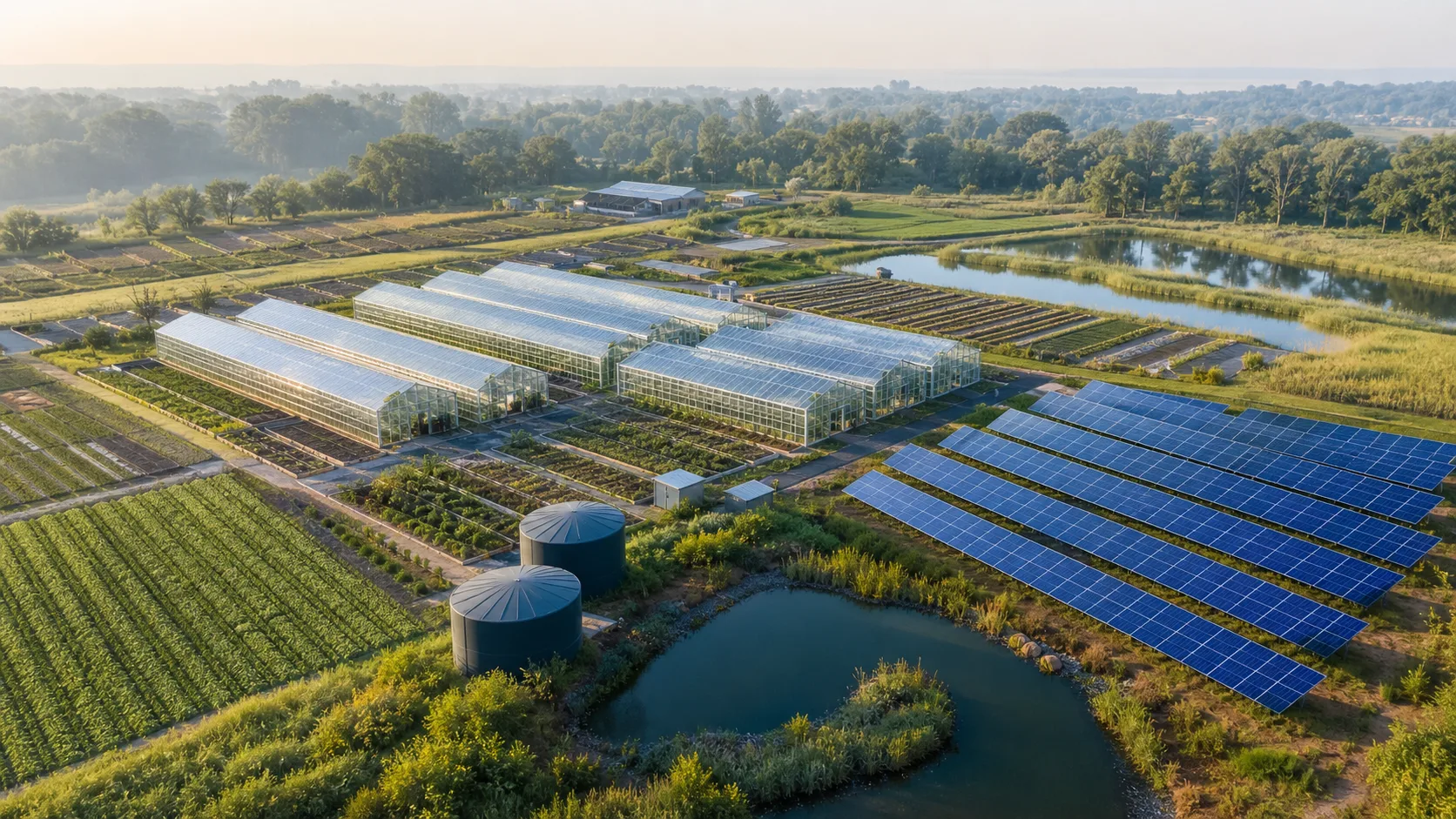
A solar greenhouse performs best when structure, crop needs, water, energy, ventilation, and controls are designed as one connected system.
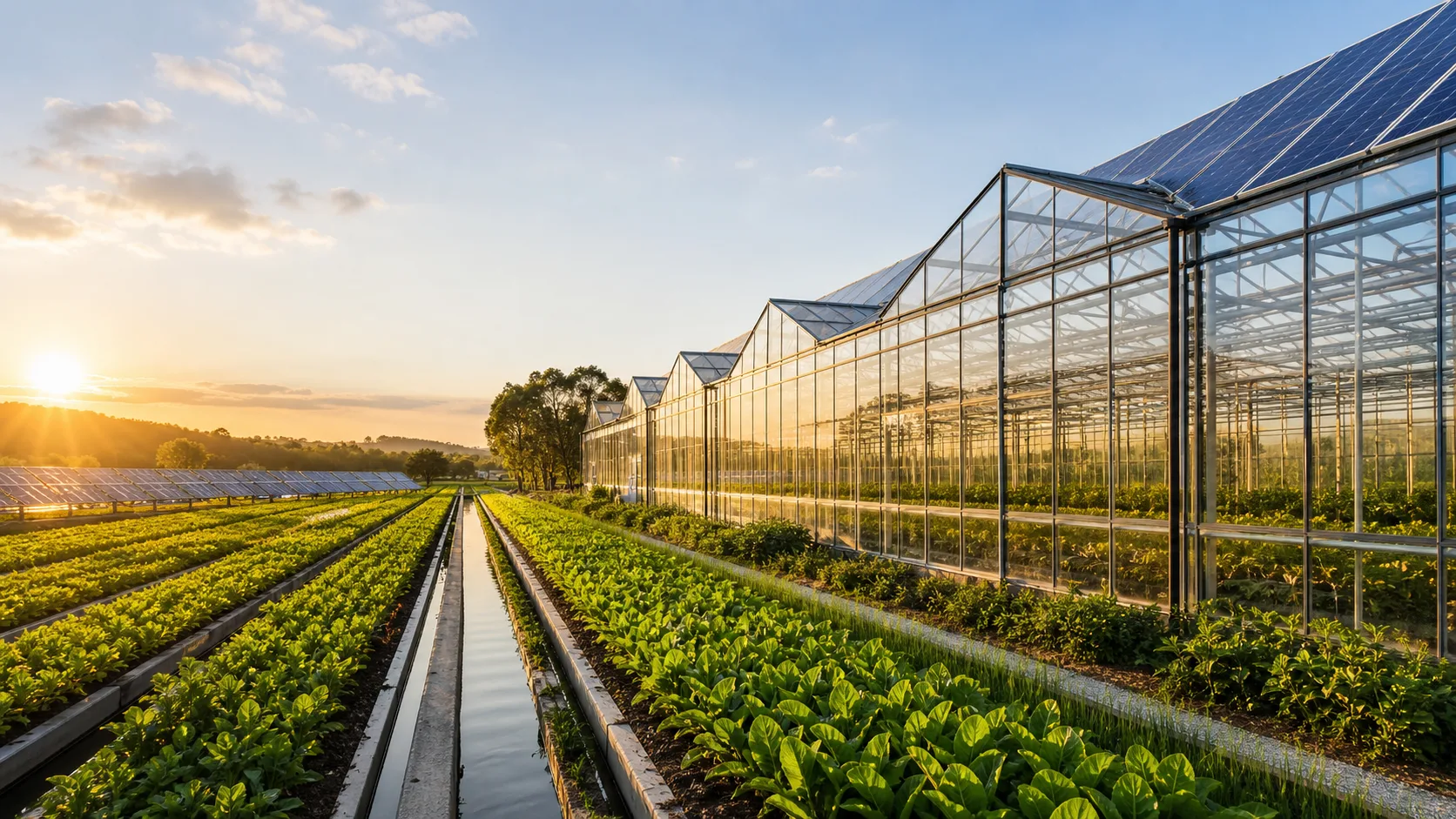
Efficient irrigation is about delivering the right water, at the right time, with the right monitoring and environmental protection.
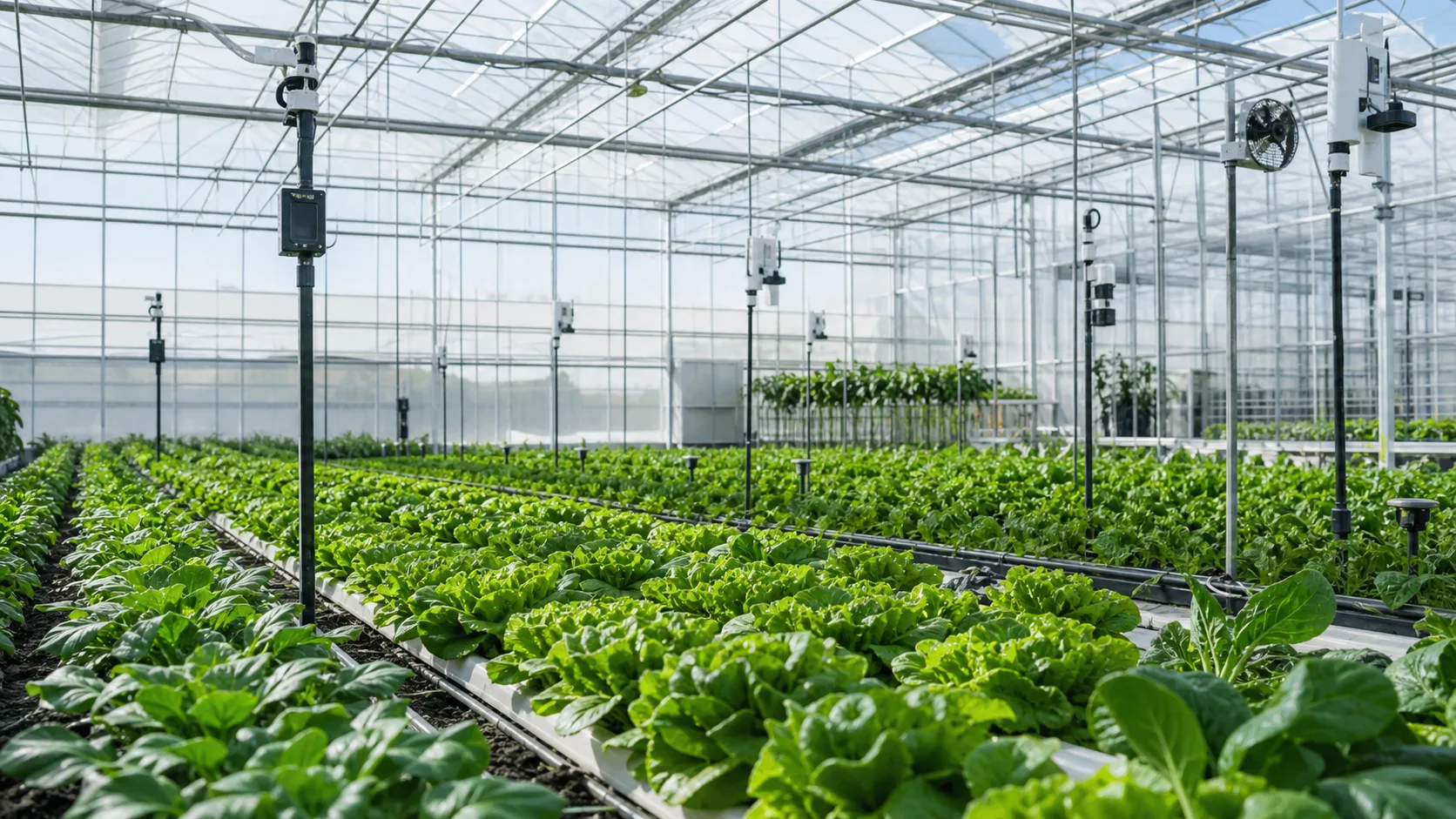
Renewable energy planning for agriculture must account for pumps, fans, controls, lighting, monitoring, storage, and critical backup needs.
Tell us about your site, crop goals, environmental requirements, or development plan and we will help shape the right engineering path.