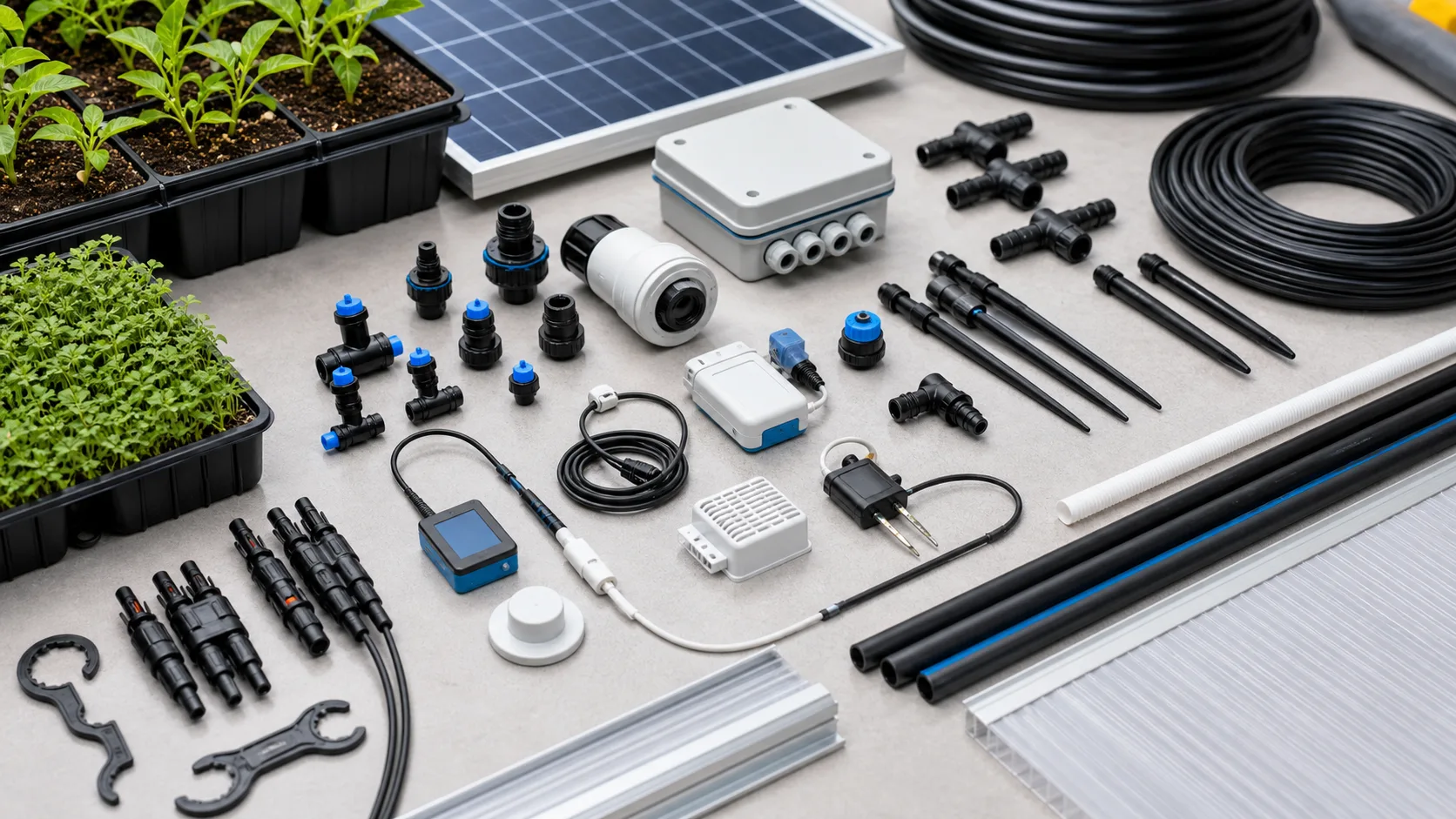
Water
Aquatic Ecosystem Preservation
Projects near water bodies are reviewed for runoff, nutrient movement, sediment, drainage, and habitat protection.
Learn more Tidalember
Tidalember
Tidalember
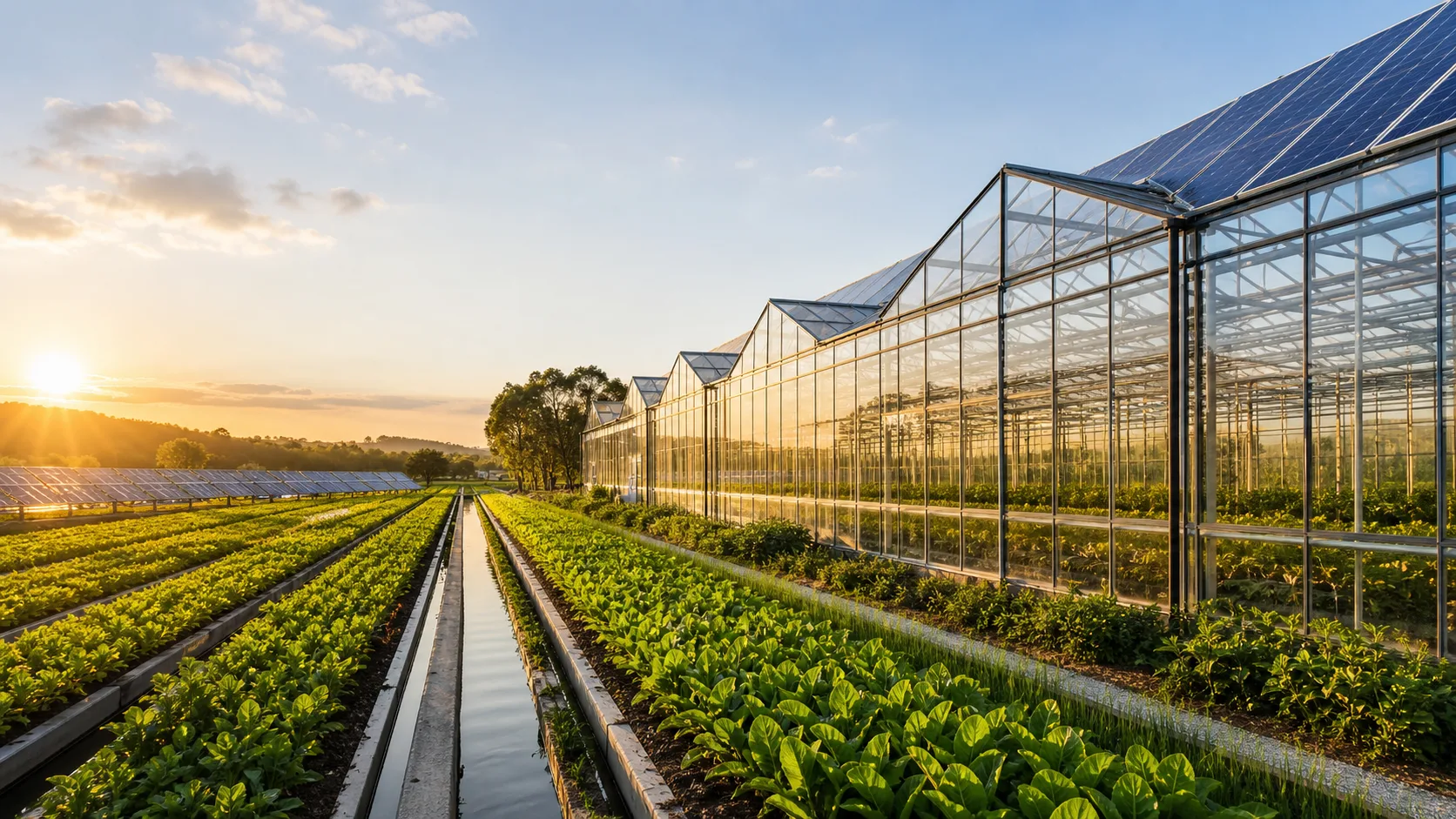
Planning for aquatic ecosystem protection, biodiversity conservation, waste remediation, pollution reduction, and responsible site development.
Every system designed as one connected solution.
Clean energy integrated from the start.
Water, power, and inputs used responsibly.
Stewardship built into every project.
Tidalember treats environmental protection as a core engineering requirement. Agricultural development must account for water bodies, habitats, waste streams, soil health, and pollution pathways.
We support strategies that reduce risk, improve resilience, and help agriculture operate in harmony with surrounding ecosystems.
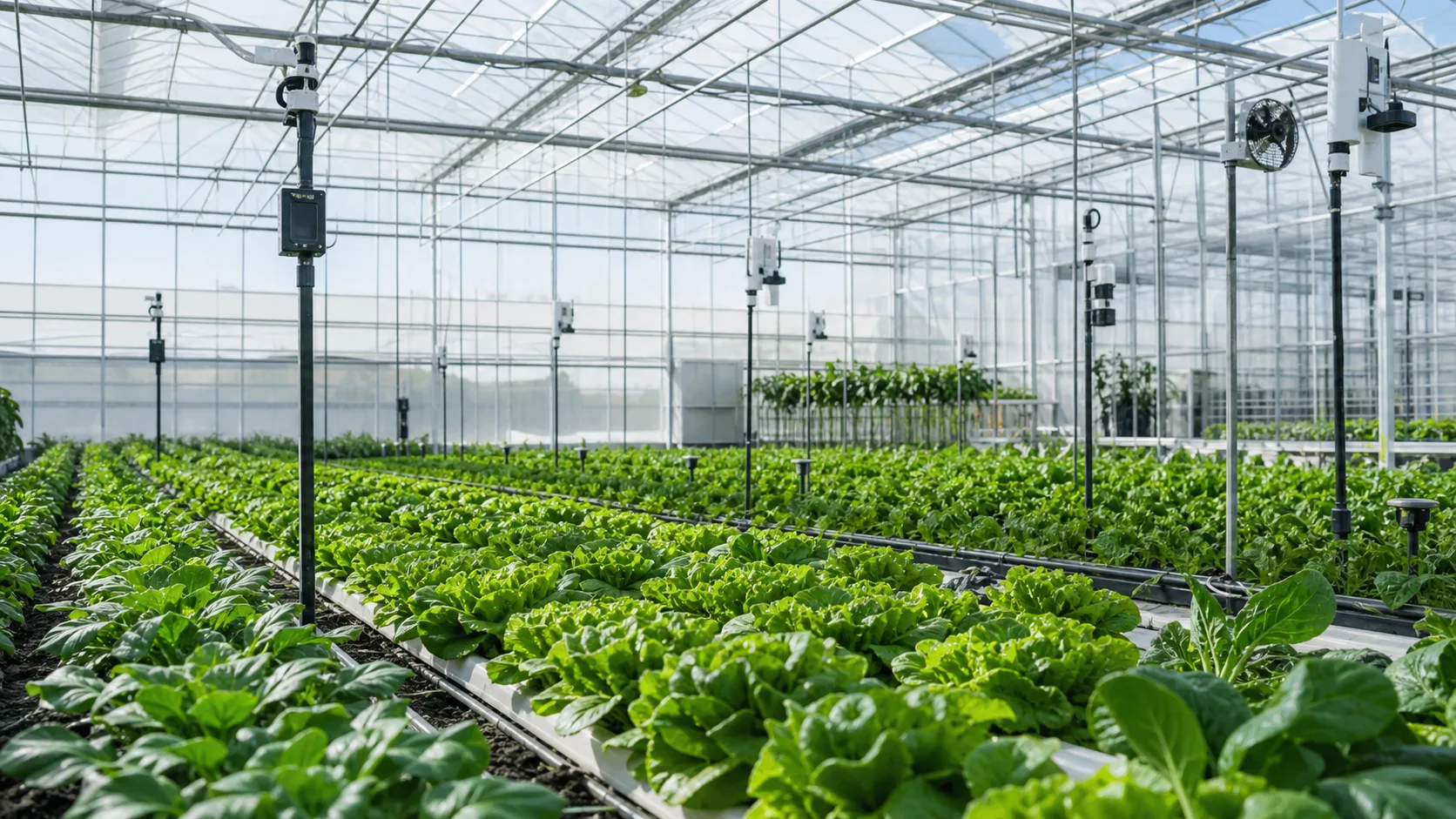
Responsible agricultural infrastructure protects production, communities, and natural systems.
Projects near water bodies are reviewed for runoff, nutrient movement, sediment, drainage, and habitat protection.
Learn more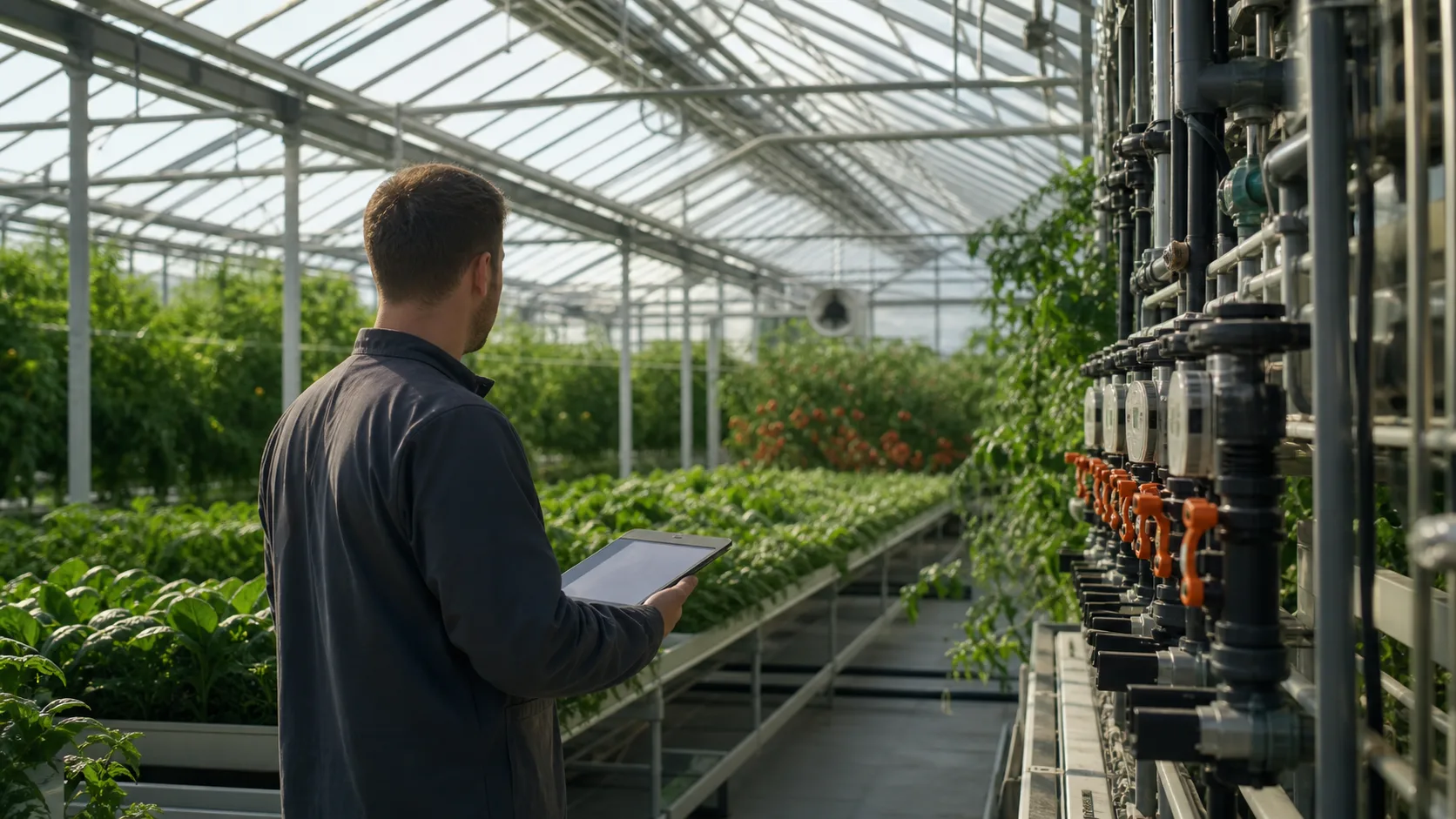
Agricultural development can include habitat-sensitive planning, beneficial landscapes, and ecological resilience measures.
Learn more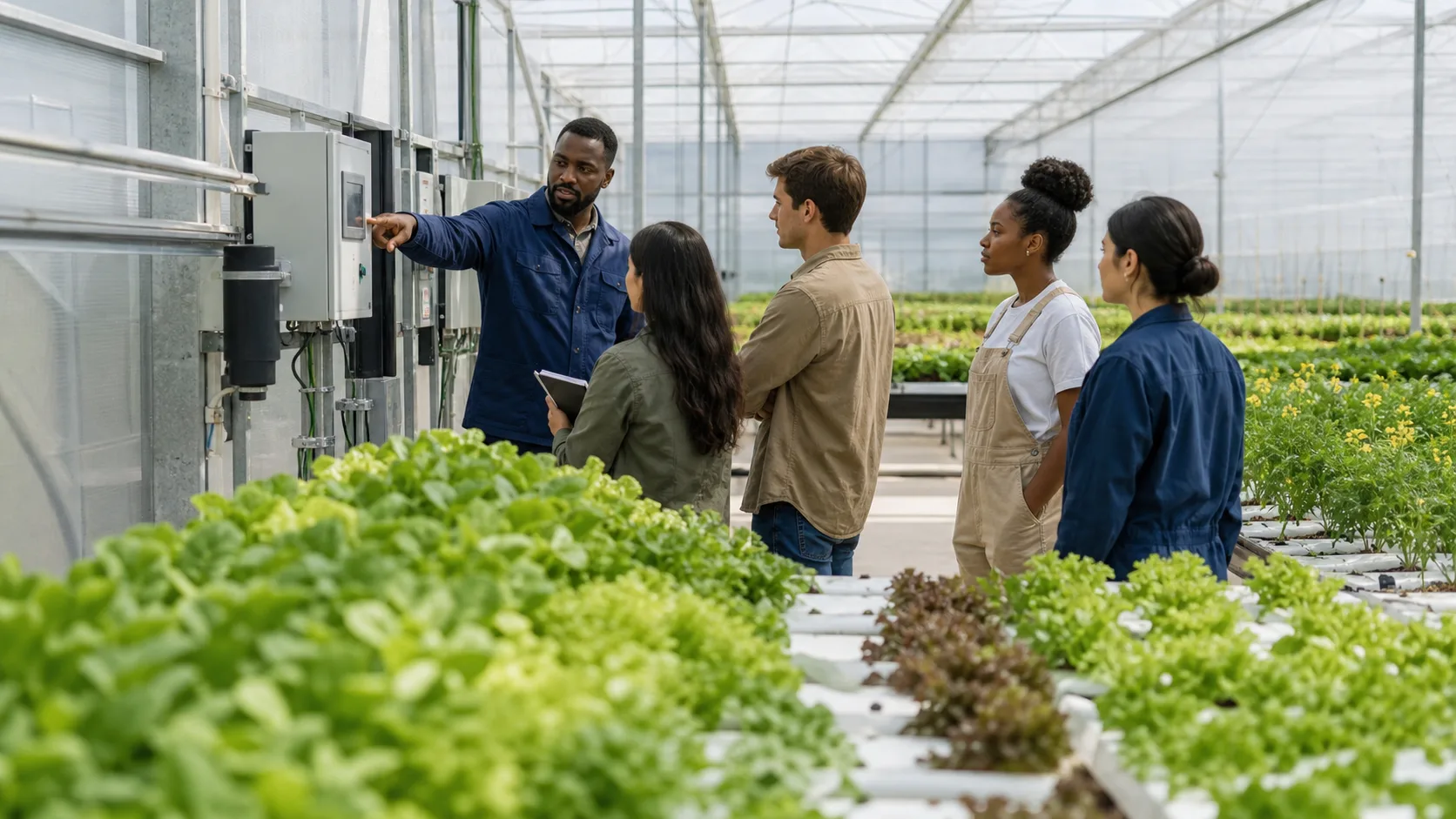
Waste streams, residues, materials, chemicals, and pollution pathways are assessed for reduction and remediation.
Learn moreWe assess land, water, energy, access, climate, and operating needs before committing to a build strategy.
Solar generation, backup power, controls, and efficiency measures are planned as one connected system.
Greenhouse envelopes, irrigation, ventilation, shading, and monitoring are matched to production goals.
Projects account for biodiversity, aquatic systems, pollution risks, waste streams, and long-term resilience.
Tidalember supports environmental planning that protects ecosystems while enabling productive agricultural development.
Projects near waterways, wetlands, ponds, or drainage channels require careful planning to reduce sediment, nutrient, and pollution impacts.
Agricultural development can be planned to support habitat corridors, beneficial species, soil biology, and surrounding ecological value.
Waste streams, contaminated areas, residues, plastics, nutrients, and operational by-products are reviewed for reduction and remediation pathways.
We help identify practical ways to reduce pollution risk from water, energy, chemicals, waste handling, and site operations.
Our workflow gives clients practical clarity before capital is committed, then keeps engineering, environmental, and operating priorities aligned through delivery.
Clarify project goals, site conditions, production requirements, environmental sensitivities, and operational constraints.
Translate findings into practical system concepts, technical priorities, implementation phases, and resource requirements.
Align structures, energy, water, controls, procurement, environmental safeguards, schedules, and stakeholder responsibilities.
Review operating performance, maintenance needs, resource efficiency, and opportunities for future expansion or optimization.
Tidalember focuses on outcomes that can be designed, operated, measured, and improved over time.
Projects are planned with awareness of waterways, habitats, soils, biodiversity, and pollution pathways.
Environmental considerations are documented early to support permitting, stakeholder review, and responsible delivery.
Waste, runoff, and pollution reduction strategies help make agriculture more responsible over time.
Healthy surrounding ecosystems support the durability and social value of agricultural development.
Tell us about your site, crop goals, environmental requirements, or development plan and we will help shape the right engineering path.