Climate risk is an engineering input
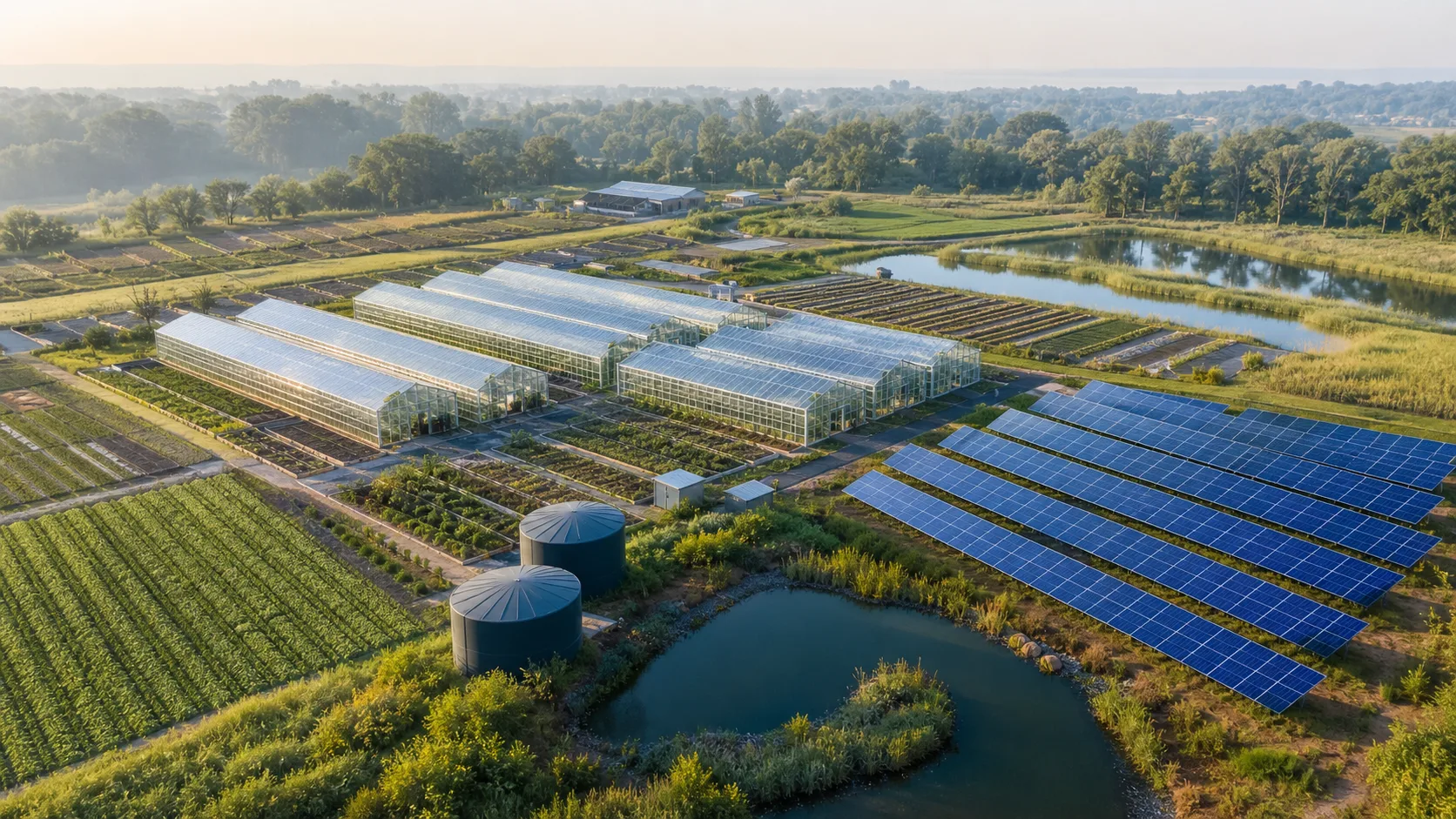
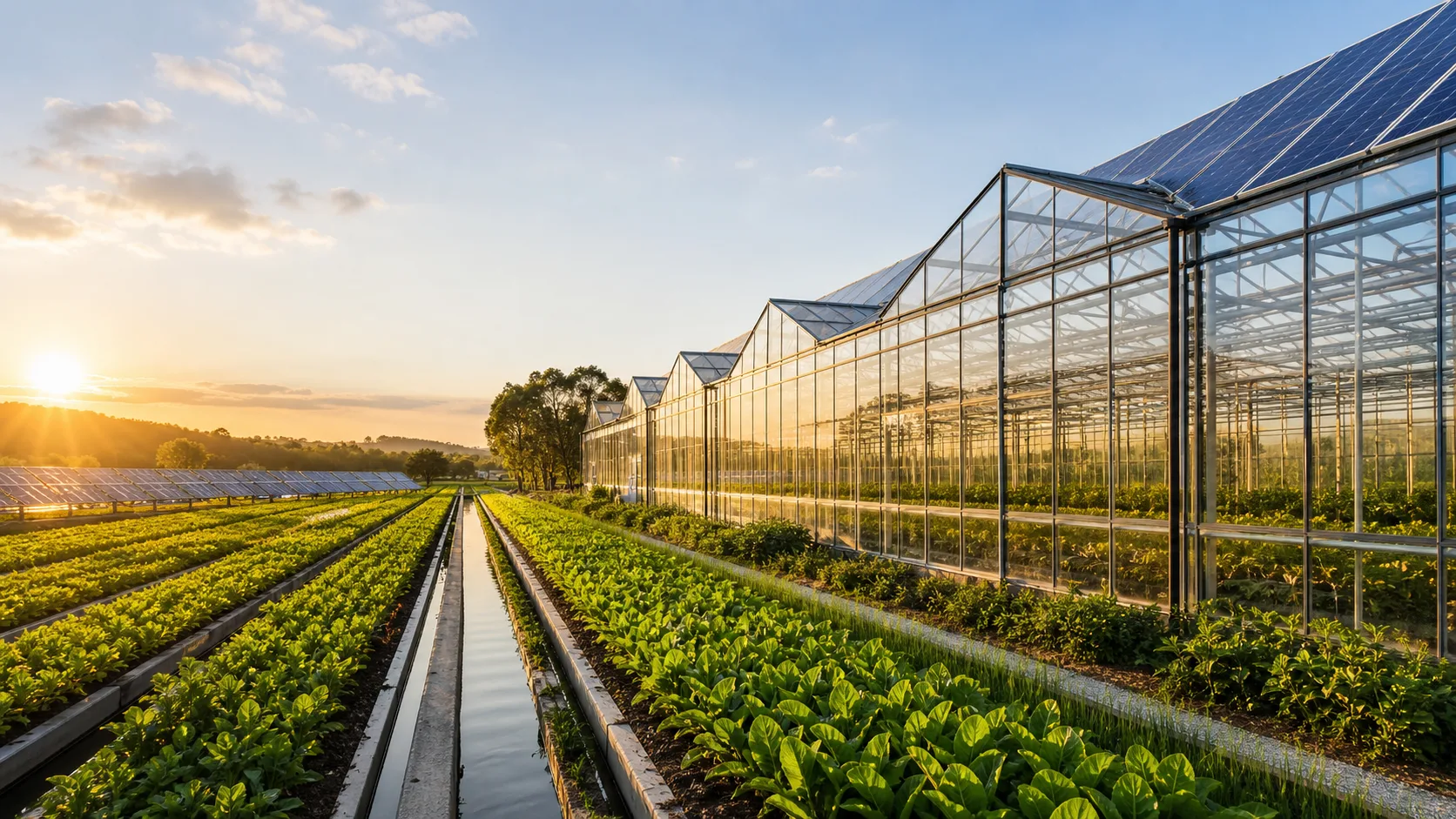
Agricultural development is exposed to heat waves, storms, drought, heavy rainfall, wind, flooding, and power instability. These risks influence greenhouse structure, drainage, water storage, ventilation, backup power, crop strategy, and maintenance planning.
Resilience is built through redundancy and flexibility
Critical systems such as irrigation, ventilation, and monitoring may require backup power, storage, manual override options, or alternative operating procedures. Resilience is not one component; it is a system design principle.
Water strategy becomes more important over time
Climate variability can affect water availability and quality. Storage, filtration, reuse, drainage, and efficient delivery help projects adapt to changing water conditions while protecting surrounding ecosystems.
Monitoring helps teams respond faster
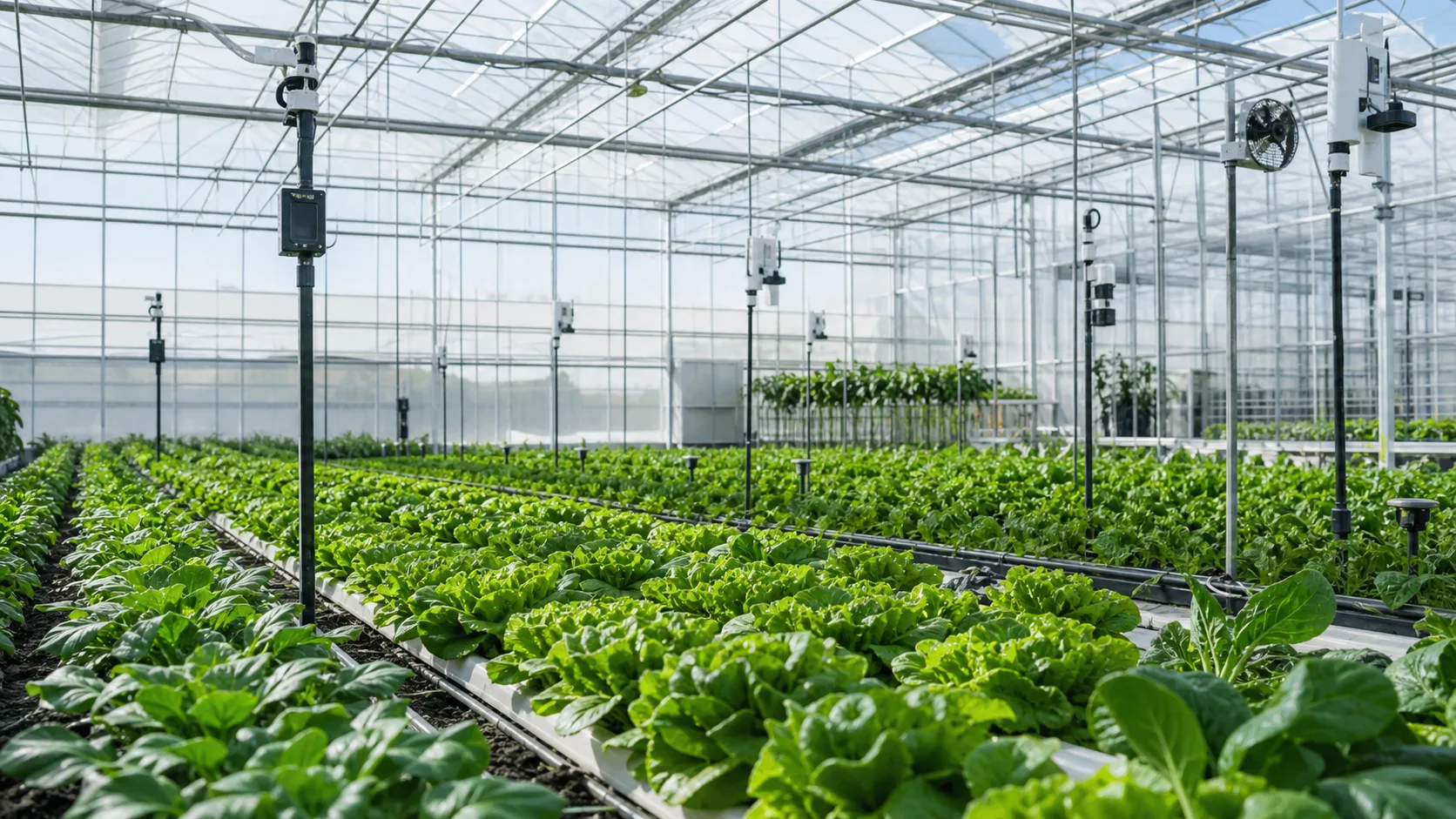
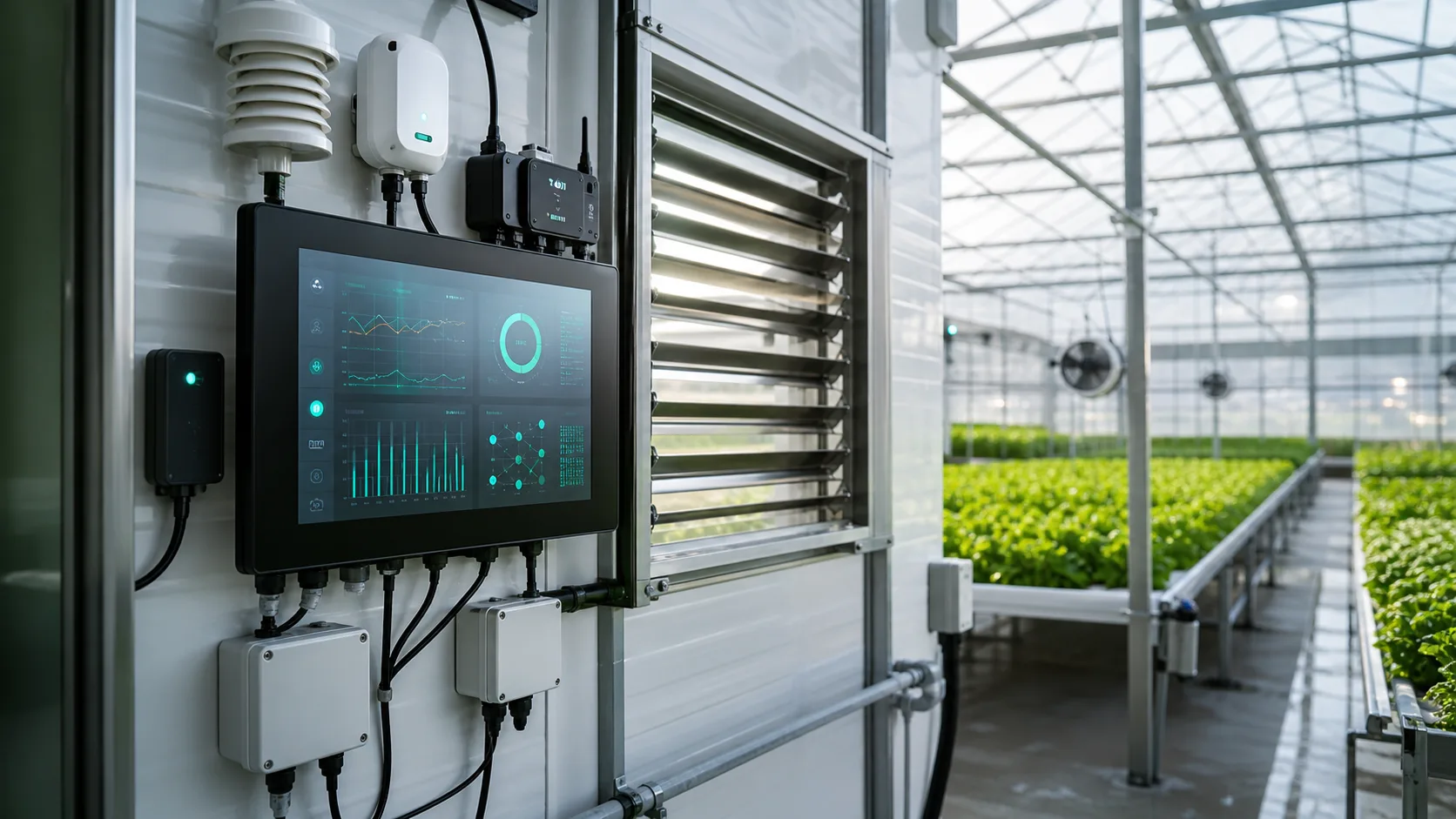
Useful data helps operators identify heat stress, water stress, equipment failure, and environmental risks early. Monitoring supports both immediate response and long-term planning.