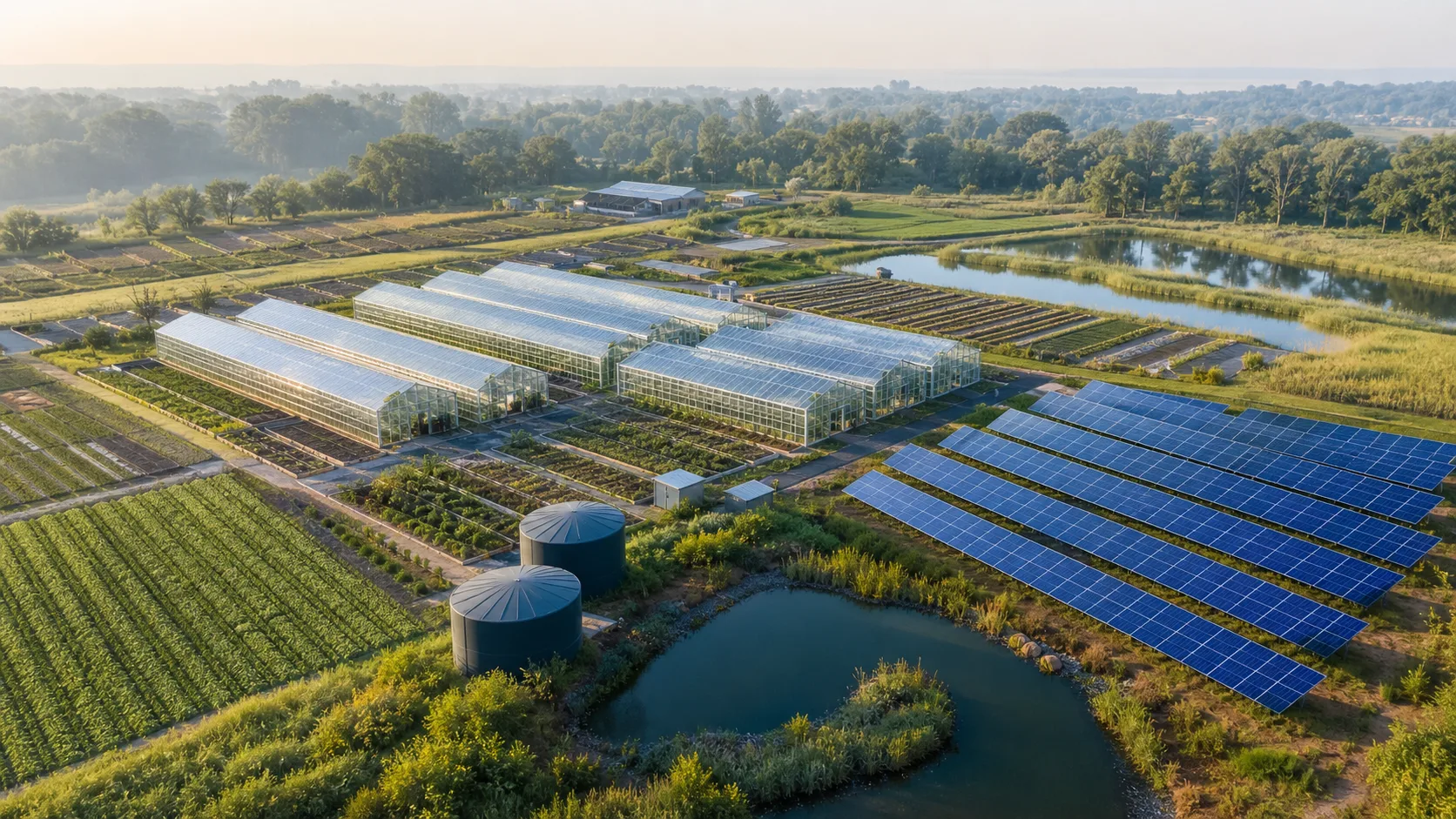
Agricultural loads are seasonal and operational
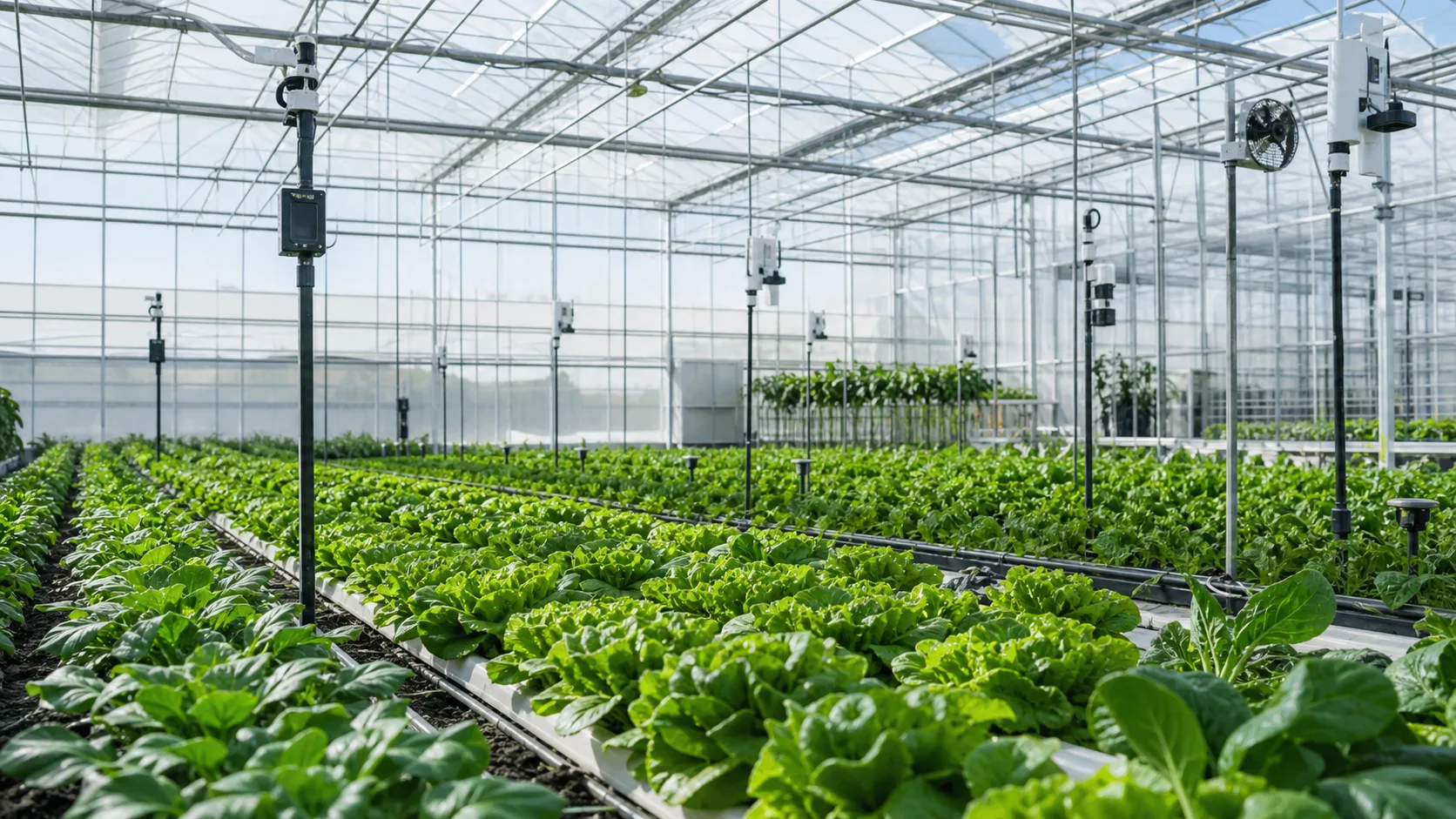
Energy demand changes with climate, crop stage, irrigation schedules, ventilation needs, and operating hours. A useful renewable energy strategy begins by identifying real loads and separating critical systems from optional or flexible loads.
Solar integration must respect growing performance
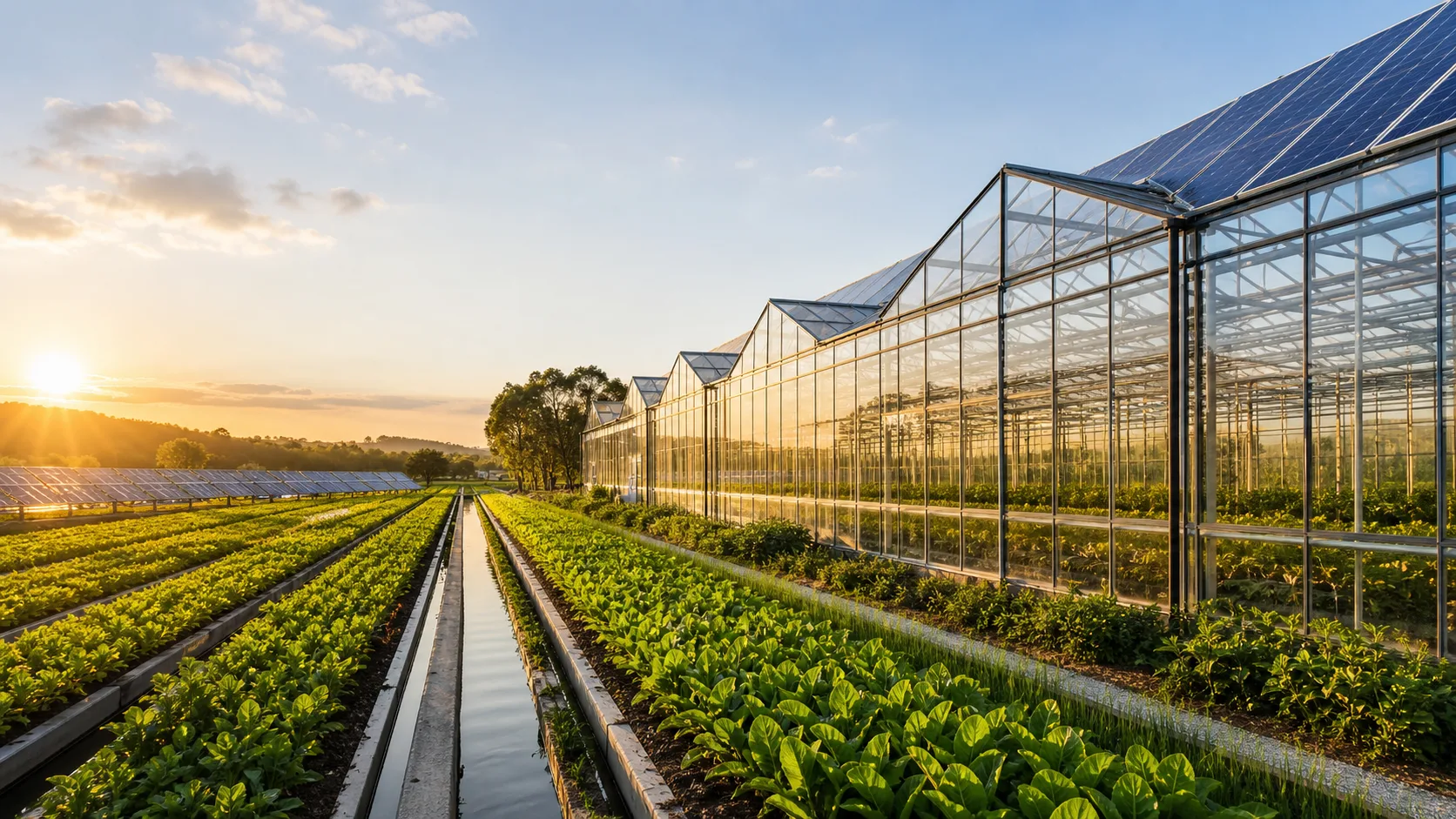
Solar panels, greenhouse placement, shading, and service access should be coordinated carefully. Renewable energy should support the growing environment, not reduce light availability or complicate maintenance.
Resilience requires backup thinking
Crop environments can be sensitive to power interruptions. Storage and backup planning should focus on the systems that protect water delivery, ventilation, monitoring, and climate stability.