Training turns infrastructure into performance
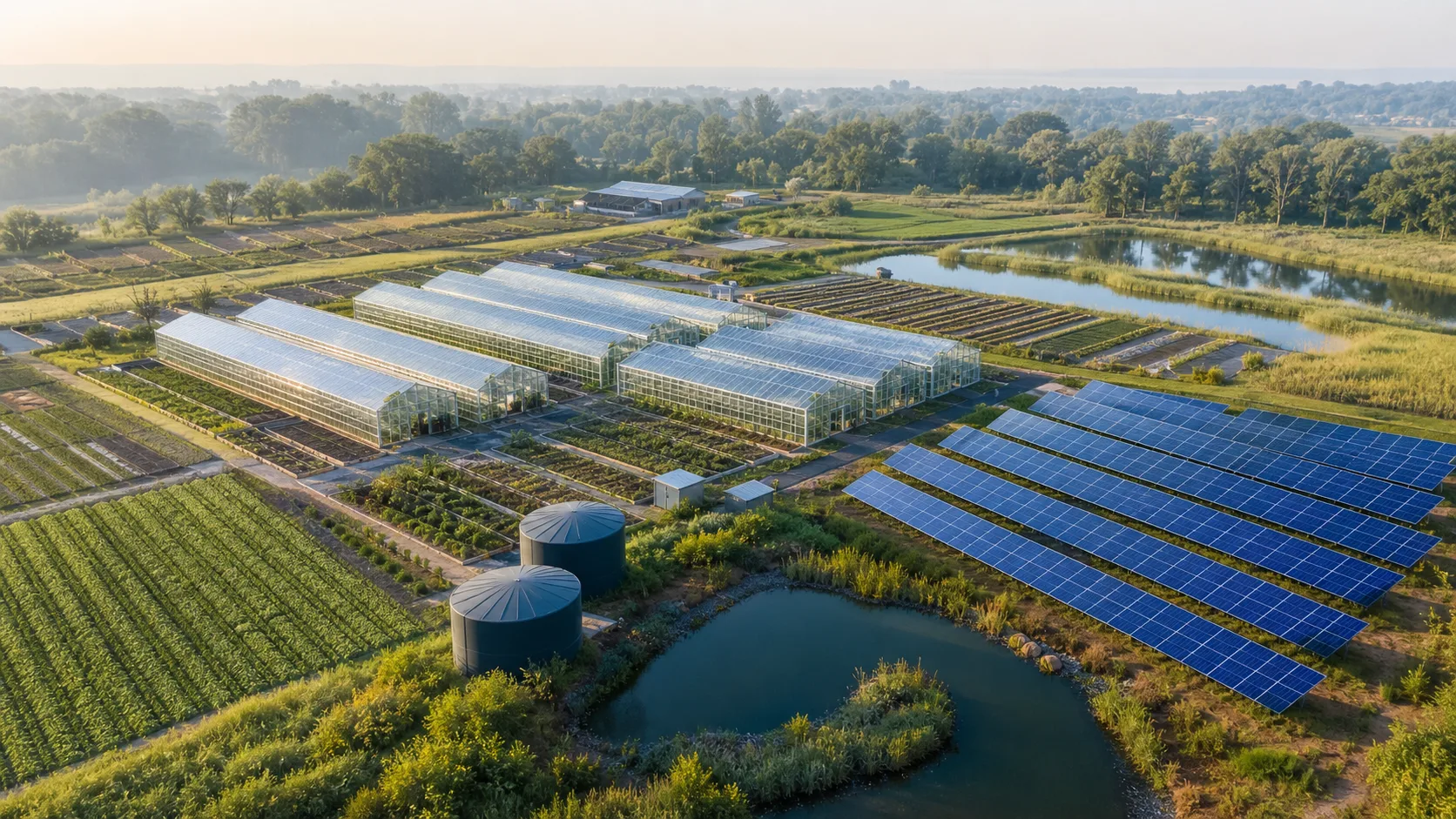
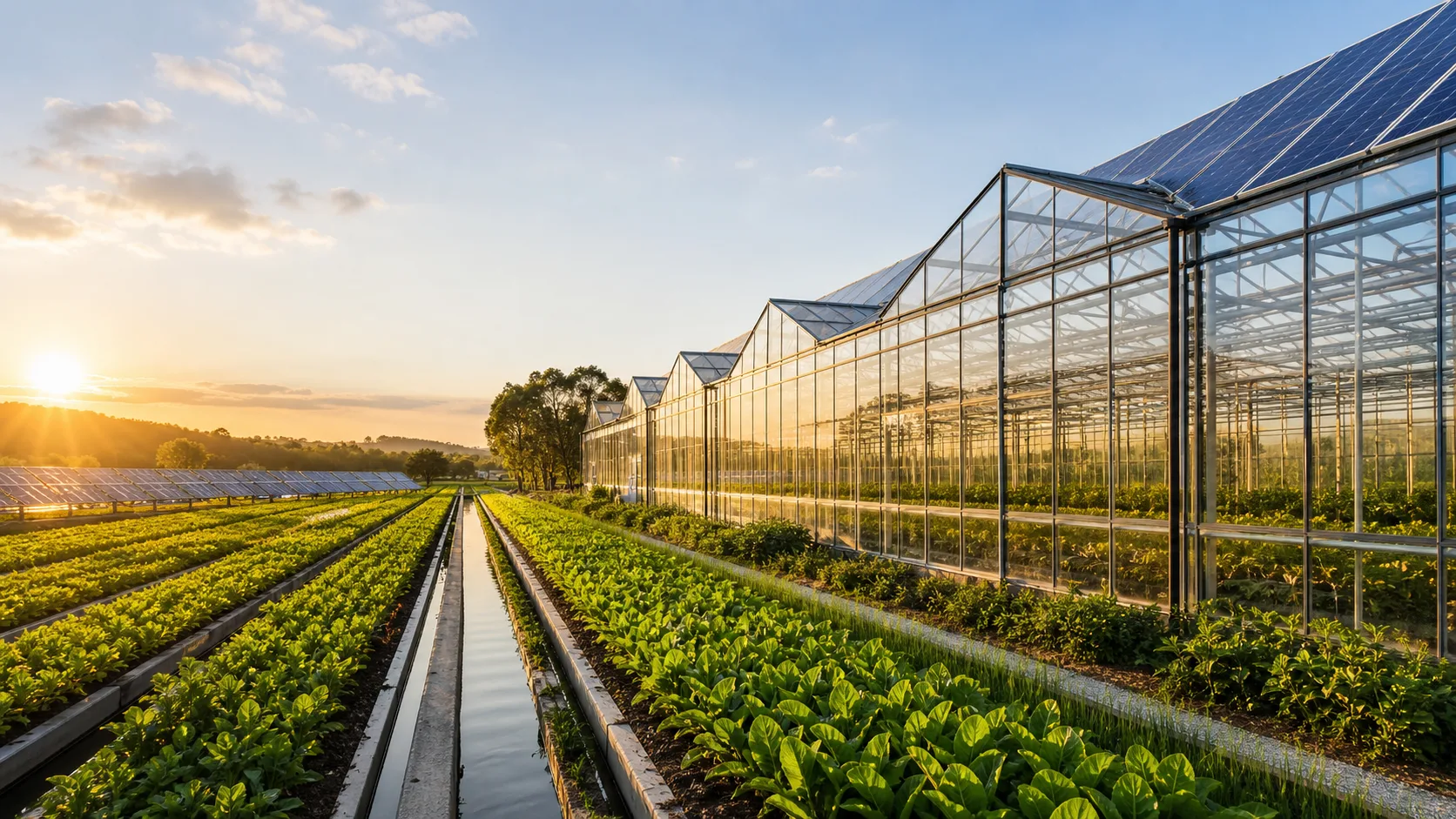
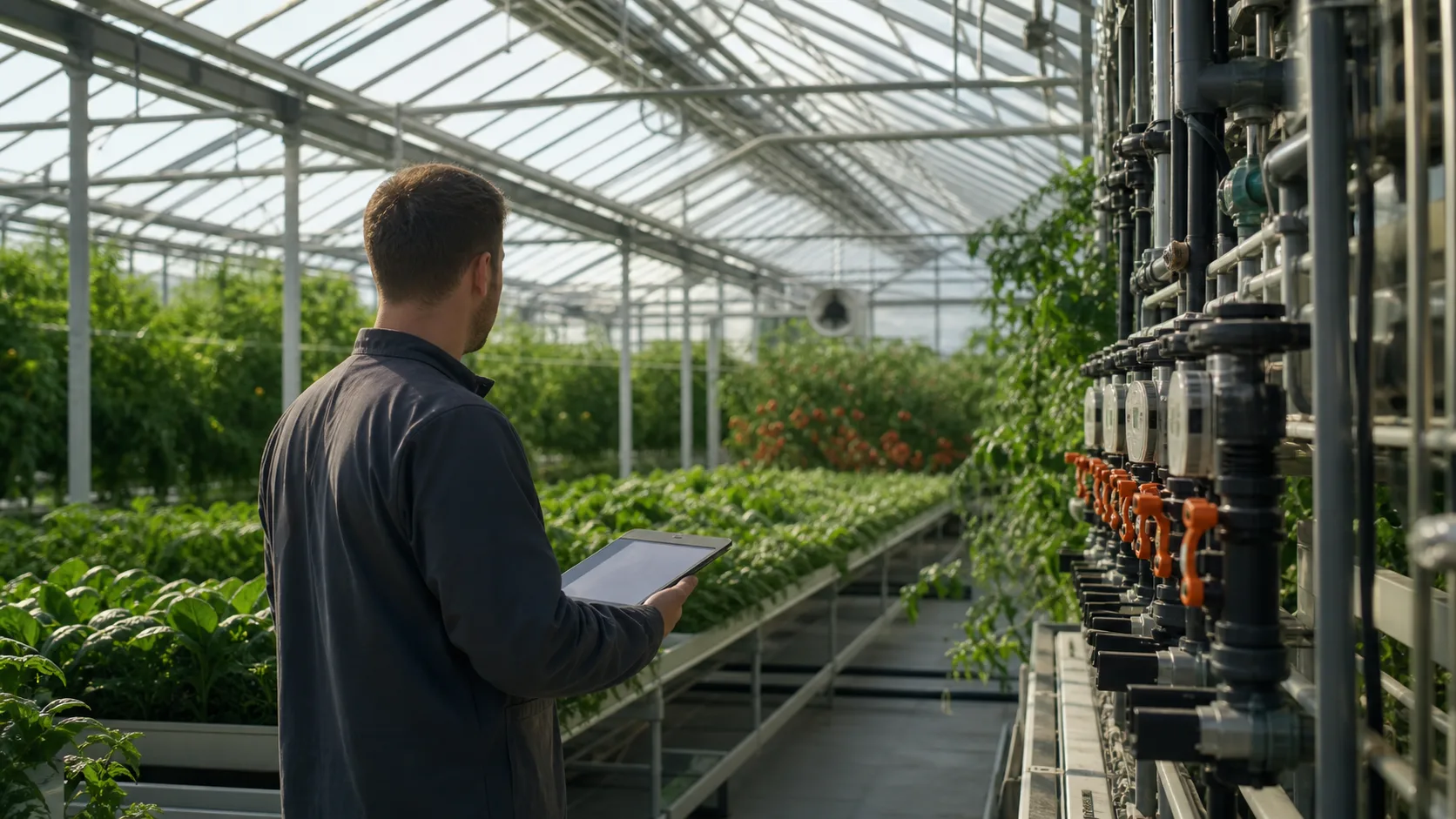
Greenhouses, irrigation systems, controls, renewable energy components, and environmental safeguards all require informed operation. Training helps teams understand how daily decisions affect crop health, equipment life, water efficiency, and environmental protection.
Operators need system relationships, not isolated instructions
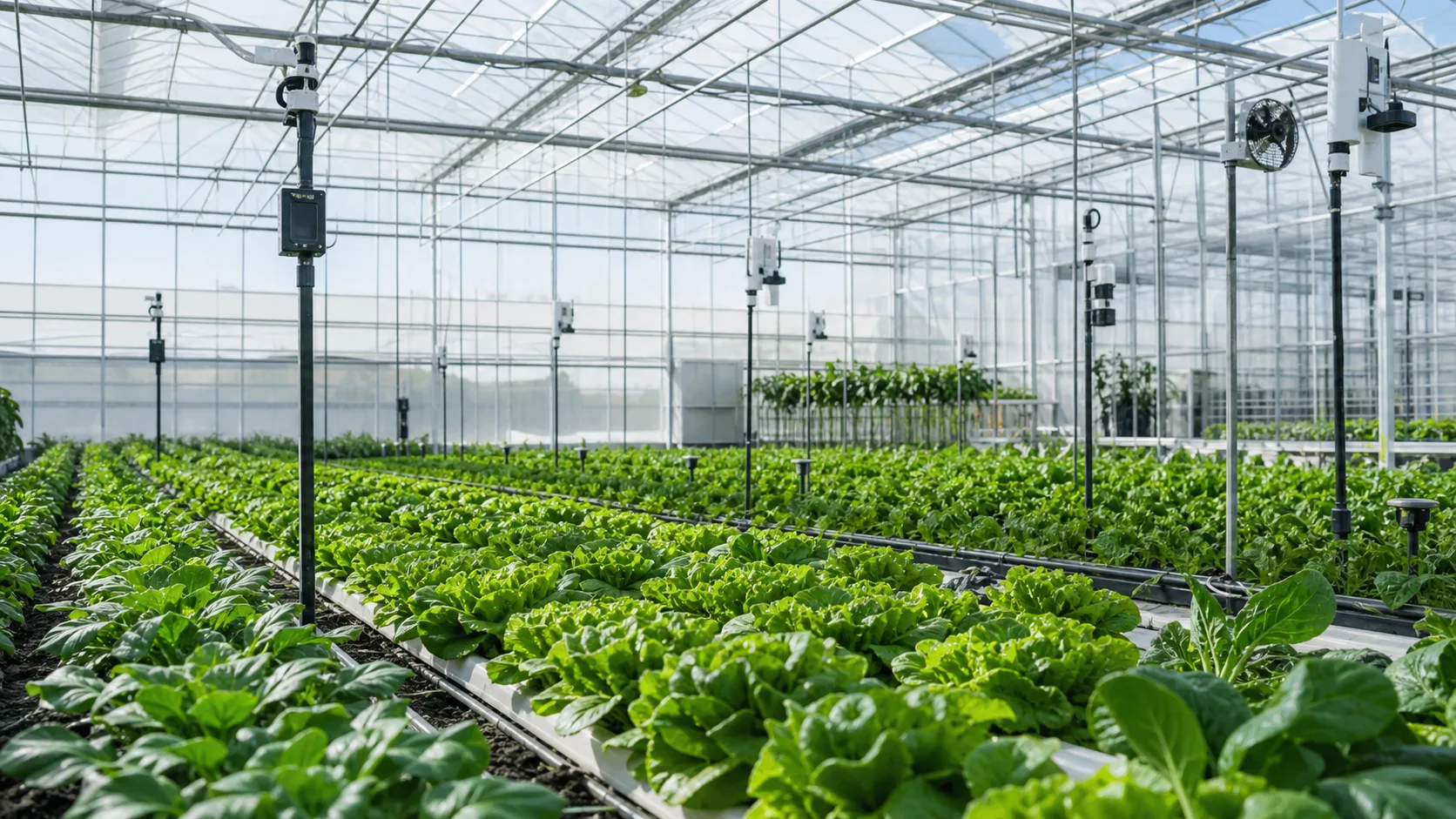
A ventilation adjustment may affect humidity, disease pressure, energy use, and irrigation demand. A clogged filter may affect pressure, uniformity, fertigation, and crop stress. Training should explain these relationships so operators can make better decisions.
Routine checks prevent expensive failures
Daily and weekly checklists help teams identify leaks, pressure changes, sensor issues, blocked emitters, overheating, drainage problems, and unusual crop responses before they become major failures.
Environmental best practices belong in operations
Water protection, waste handling, chemical storage, runoff awareness, biodiversity zones, and pollution prevention should be part of staff routines. Sustainable infrastructure depends on both design and behavior.